Main Courses
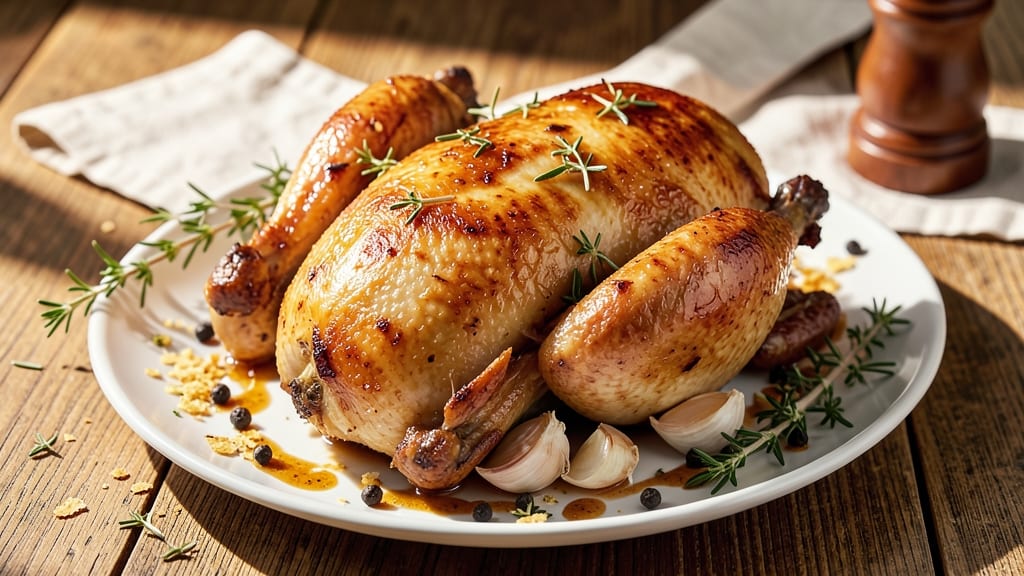
This American roast chicken recipe delivers juicy, golden-skinned perfection with a simple buttermilk brine that transforms even basic grocery-store birds into restaurant-quality centerpieces.
The secret lies in the science of moisture retention—salting the chicken overnight draws out impurities while keeping the meat impossibly tender, and the buttermilk adds a subtle tang that balances the crispy skin.
I’ve perfected this method over years of holiday dinners, where it never fails to impress, even with skeptical guests who swear they can tell when a chicken’s been brined.
What sets this recipe apart is the combination of traditional techniques and modern convenience. You’ll start with a dry brine (just salt and time) that requires zero effort beyond planning ahead, followed by a high-heat roast that creates that coveted golden brown crust.
The buttermilk brine isn’t just for flavor—it creates a protective layer that locks in moisture, so every bite stays succulent.
And unlike complicated herb-butter rubs, this method relies on just three key ingredients: kosher salt, buttermilk, and a few simple spices, making it accessible for home cooks while still delivering professional results.
The payoff? A chicken so tender it nearly falls apart at the bone, with skin that’s crisp enough to stand up to a fork but never dry or rubbery. The buttermilk infusion adds a subtle richness that pairs beautifully with classic sides like roasted potatoes or a simple herb gravy.
This isn’t just another roast chicken—it’s the kind of dish that makes you the hero of the dinner table, with minimal fuss and maximum impact. Ready to master it? Let’s get started with the foolproof steps that guarantee success every time.
For those short on time, I’ve included a 30-minute prep variation that skips the overnight brine but still delivers impressive results—because great food shouldn’t require a day of planning. The same principles apply, just condensed into a single evening.
Whether you’re hosting Thanksgiving or a weeknight family dinner, this recipe delivers the kind of chicken that makes people ask for seconds before the plate is even empty.
Ingredients for american roast chicken
Four ingredients transform ordinary chicken into a showstopping centerpiece: kosher salt, buttermilk, olive oil, and a touch of sugar.
| Ingredient | Amount | Notes |
|---|---|---|
| Whole Chicken (4-5 lbs) 🍗 | 1 whole | Fresh, skin-on, giblets removed |
| Kosher Salt 🧂 | ½ cup | Diamond Crystal preferred |
| Buttermilk 🥛 | 1 cup | Full-fat for best results |
| Black Peppercorns 🌶️ | 1 tbsp | Freshly cracked, coarse grind |
| Garlic Cloves 🧄 | 4 cloves | Peeled and smashed |
| Fresh Thyme Sprigs 🌿 | 4 whole | Stems removed for brine |
| Extra-Virgin Olive Oil 🫒 | 2 tbsp | For skin crisping |
| Unsalted Butter 🧈 | ½ cup | Cold, cubed |
| Fresh Rosemary 🌿 | ¼ cup | Chopped, stems removed |
| Lemon Zest 🍋 | 1 tbsp | From 1 large lemon |
| Ground Black Pepper 🌶️ | 1 tsp | Freshly ground |
| Granulated Sugar 🍚 | 1 tbsp | For skin caramelization |
The chicken is the star, so prioritize quality here. 4-5 pound birds are ideal for four servings, with skin-on for maximum crispiness. Local butchers or high-end grocery stores like Whole Foods carry superior birds—look for plump, firm skin and a vibrant color. The buttermilk is non-negotiable; full-fat versions create the best protective layer for moisture retention. For salt, Diamond Crystal kosher dissolves more evenly than table salt, ensuring perfect brine penetration. If using frozen chicken, thaw it overnight in the fridge—never under running water, as that promotes uneven cooking.
No buttermilk? Substitute with equal parts milk and vinegar, let sit 5 minutes. Fresh herbs can be swapped for dried at one-third the amount, but fresh thyme and rosemary deliver that restaurant-quality depth. The olive oil matters here—use extra-virgin with fruity notes for skin crisping. For a sugar-free version, omit entirely, but the caramelization adds that coveted golden-brown finish. The lemon zest brightens the flavor without overpowering; organic lemons have more vibrant zest. If you're short on time, the 30-minute prep method still delivers impressive results by simply salting the chicken 12 hours before roasting instead of overnight.
Store leftover chicken in an airtight container for up to 4 days—it reheats beautifully with a splash of broth. The brine ingredients can be prepped 2 days ahead and stored in the fridge. For maximum crispiness, roast the chicken on a wire rack set over a baking sheet. The golden skin stays crispy for 2 hours after roasting if kept warm in a 200°F oven. Portion leftovers into single-serving containers for easy lunches—this chicken tastes even better the next day as flavors meld.
Why You'll Love This Recipe
- Five-Ingredient Magic: I swear by this combo—just salt, buttermilk, peppercorns, and garlic. That’s it. The buttermilk keeps the skin tender while the salt and pepper build layers of flavor that make every bite worth it.
- Weeknight Hero: Honestly, this is my go-to when I’m exhausted but still want something impressive. Toss the chicken in buttermilk, let it sit while I chop veggies, then roast while I clean up—done in one go.
- Leftovers for Days: Between us, this recipe makes so much chicken. The crispy skin stays perfect for sandwiches, the meat shreds into soups, and the bones? Perfect for broth. I’ve fed my family for three meals from one bird.
- Crowd-Pleaser Simplicity: Here’s what sold me—it works for game nights, family dinners, or even a lazy Sunday. The garlic and buttermilk give it that cozy, restaurant-worthy taste without requiring a degree in cooking.
Step-by-step instructions for buttermilk brined roast chicken
Master this technique and you'll achieve restaurant-quality results with juicy meat and crisp golden skin.
Prepare the Buttermilk Brine
In a large container or resealable bag, combine the 1 cup buttermilk, 0.5 cup kosher salt, 1 tbsp black peppercorns, 4 smashed garlic cloves, and 4 whole thyme sprigs. Stir until the salt fully dissolves—this ensures even distribution throughout the chicken. The buttermilk should become slightly cloudy as the salt integrates completely.
I use a large plastic bag for this step because it allows the brine to fully envelop the chicken. If using a container, make sure it's large enough to accommodate the whole chicken submerged in the brine mixture. Let the brine sit at room temperature for 30 minutes while you prepare the chicken cavity.
Brine the Chicken Overnight
Pat the whole chicken dry with paper towels—this step is crucial for crispy skin. Submerge the chicken completely in the brine mixture, ensuring the cavity is filled with the liquid. Place the bag or container in the refrigerator and brine for 12-24 hours, turning the chicken halfway through for even penetration.
The buttermilk brine works magic by tenderizing the meat while infusing it with flavor. The acidity in the buttermilk breaks down proteins, resulting in that melt-in-your-mouth juiciness. Don't skip this step—it's what transforms an ordinary roast chicken into an extraordinary one. If you forget to brine overnight, at least 4 hours will still yield better results than nothing.
Season and Rest the Chicken
Remove the chicken from the brine and pat it dry again, this time more thoroughly. In a small bowl, combine 1 tbsp lemon zest, 1 tsp ground black pepper, 1 tbsp granulated sugar, and 0.25 cup chopped fresh rosemary. Rub this mixture all over the chicken, including inside the cavity, pressing gently to ensure good contact with the meat.
The sugar in this seasoning blend is key—it caramelizes during roasting, contributing to that beautiful golden color. Let the seasoned chicken rest uncovered on a wire rack in the refrigerator for 30 minutes before roasting. This resting period allows the seasonings to adhere properly and the skin to dry slightly, which is essential for crisping.
Roast to Perfect Doneness
Preheat your oven to 425°F. Place the chicken breast-side up on a rack set in a rimmed baking sheet. In a small bowl, mix 2 tbsp extra-virgin olive oil with 0.5 cup cold cubed butter. Rub this mixture all over the chicken skin, focusing on any areas that might not have gotten enough seasoning.
Roast the chicken for 1 hour 15 minutes until the internal temperature reaches 165°F when measured in the thickest part of the thigh. The skin should be deep golden brown and crispy, with juices running clear when you pierce the meat. If the skin browns too quickly, tent the chicken loosely with foil to prevent burning while it continues cooking.
Rest and Serve
Transfer the chicken to a cutting board and tent loosely with foil. Let it rest for 20-30 minutes before carving. This resting period is crucial—it allows the juices to redistribute throughout the meat, preventing them from pooling and running out when you cut into it.
During this time, you can make a simple pan sauce by deglazing the baking sheet with a splash of water and scraping up the browned bits. Serve the chicken with its crispy skin intact, and you'll have a showstopping centerpiece that's as delicious as it looks. The buttermilk brine ensures every bite is moist and flavorful, while the crispy skin adds the perfect textural contrast.
Pro Tips For Making American Roast Chicken
- CRANK THE HEAT FIRST: Start your chicken skin-side down on a smoking-hot pan or skillet—no gentle warming here. I learned this the hard way after making chicken that was tender but dull; high heat renders fat fast and kicks off that golden crust. Once you’ve got crispy spots, lower the heat to finish cooking evenly.
- DRY THE SKIN LIKE IT’S 1985: Pat that chicken thoroughly with paper towels before buttermilk—wet skin won’t crisp, no matter how much salt you use. I skip the towel once in a while, and the result? Sad, limp skin. (Your future self will notice.)
- DON’T PUNCH THE GARLIC: Smash those garlic cloves with the flat side of your knife before stuffing them into the cavity—this releases more flavor into the meat. Whole cloves? They’ll just sit there like silent spectators. (And yes, even if you’re impatient like me.)
- REST IT UNDER FOIL: After roasting, tent that bird with foil for 10 minutes before carving—this traps heat and keeps the juices from pooling out. I used to skip this, and the chicken would dry out by the time I served it. (Your guests won’t know the difference, but you will.)
Wine and beer pairings for american roast chicken
Classic White Wine
A crisp Chardonnay from California’s Napa Valley or a Sauvignon Blanc from New Zealand complements the buttermilk brine’s tang and the chicken’s rich, savory notes. Look for wines with bright acidity and citrus undertones—they cut through the butter and herbs beautifully.
I love Kim Crawford Sauvignon Blanc for its zesty finish that mirrors the lemon zest in the seasoning. 🍷
Light-Bodied Reds
For those who prefer red, a Pinot Noir from Oregon’s Willamette Valley offers enough fruitiness to stand up to the rosemary and black pepper without overpowering the dish.
The wine’s delicate tannins and red berry flavors harmonize with the crispy skin and juicy meat. La Crema Pinot Noir is a reliable choice that won’t clash with the buttermilk’s creaminess. 🍇
American Craft Beer
If wine isn’t your thing, a hazy IPA or pale ale from a local brewery provides a refreshing contrast.
The hoppy bitterness balances the richness of the roasted chicken, while the malt sweetness complements the caramelized sugar in the seasoning. Allagash White or New Belgium Fat Tire are crowd-pleasing options that won’t overpower the meal. 🍺
Seasonal Cider Pairing
For a seasonal twist, a dry hard cider like Angry Orchard Crisp Apple or Woodchuck Hard Cider adds a crisp, slightly tart note that echoes the buttermilk brine. The effervescence cleanses the palate between bites, making it a great choice for fall and winter gatherings.
The apple flavors also subtly enhance the rosemary and thyme in the chicken. 🍎
Non-Alcoholic Options
Don’t overlook sparkling water with a splash of lemon juice and a pinch of salt for a refreshing, alcohol-free pairing. The effervescence mimics the crispiness of the chicken skin, while the lemon brightens the buttermilk’s tang.
For a more robust option, try sparkling apple cider—it’s festive and pairs beautifully with the herbed seasoning. 🥤
Nutrition facts
Frequently asked questions
Can I use this recipe with a frozen chicken?
Thaw your chicken overnight in the refrigerator—never at room temperature—to maintain even cooking. For a 4-5 lb bird, this takes about 12-24 hours. If you're short on time, place the sealed package in cold water (change every 30 minutes) for 6-8 hours, but pat it very dry before brining to ensure crispy skin. Never skip thawing—it leads to uneven doneness and rubbery meat.
What if I don't have buttermilk for the brine?
Mix 1 cup milk with 1 tbsp vinegar or lemon juice, stir, and let sit for 5 minutes to curdle. This DIY buttermilk works just as well for the brine! For the seasoning step, you can skip the buttermilk entirely—just use the salt, pepper, sugar, and herbs. The buttermilk’s acidity is what tenderizes the meat, but the recipe will still be delicious without it.
How do I know when the chicken is fully cooked?
Use a meat thermometer to check the thickest part of the thigh—it should read 165°F. The juices should run clear, not pink, when you pierce the meat with a knife. If the skin browns too quickly, tent the chicken loosely with foil to prevent burning while it finishes cooking. Overcooking dries out the meat, so remove it from the oven as soon as it hits 165°F.
Can I make this ahead of time for a holiday meal?
The buttermilk brine can be prepped 2 days ahead and stored in the fridge. For the chicken itself, roast it 1-2 days ahead, let it cool, then refrigerate in an airtight container. Reheat in a 325°F oven for 20-30 minutes, covered with foil, until warmed through. The skin may lose some crispiness but will still be delicious. For best results, reheat uncovered for the last 5 minutes.
What’s the best way to carve a roast chicken?
First, remove the legs at the joint where they meet the body. Then, use kitchen shears to cut through the skin between the breast and thigh. For the breasts, make a horizontal cut along the breastbone to separate them. Save the carcass for broth—simmer it with veggies and herbs for 30-45 minutes for a flavorful base. The buttermilk brine makes carving easier because the meat stays tender and separates cleanly.