Sauces & Condiments
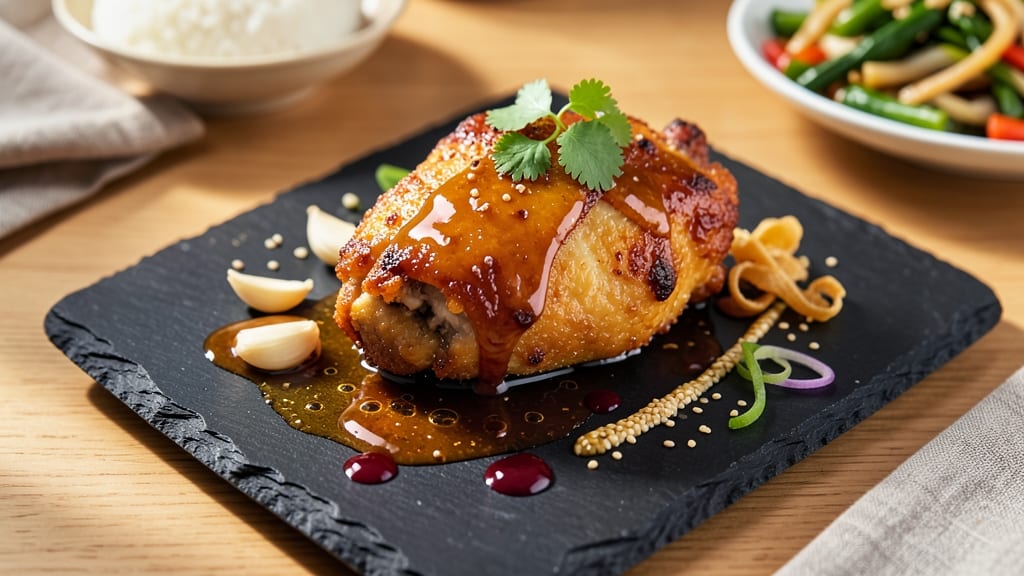
This Asian fried chicken sauce recipe transforms ordinary crispy bites into addictive, umami-packed masterpieces. The perfect balance of soy sauce, honey, and garlic creates a glossy glaze that clings to every golden, crispy edge while delivering a satisfying tangy-sweet kick.
I developed this recipe after years of testing—it’s the one that finally made my homemade fried chicken taste like it came straight from a Korean fried chicken joint.
The secret lies in the slow simmer that deepens the flavors while keeping the sauce thick enough to coat without overwhelming the chicken.
No complicated techniques here—just a simple one-pot method that takes less than 20 minutes to create a sauce packed with garlic, ginger, and a touch of chili for heat. The result? A sticky, caramelized glaze that’s rich, savory, and impossible to resist.
What makes this sauce truly special is its versatility—it works equally well with air-fried, deep-fried, or baked chicken, and the flavors only get better as it sits. The honey adds natural sweetness, while the soy sauce and sesame oil bring that unmistakable umami depth.
Once you taste this sauce, you’ll never go back to store-bought versions.
Perfect for dipping, drizzling, or tossing, this sauce elevates any fried chicken dish to restaurant-quality. Store it in the fridge for up to a week or freeze for longer shelf life—though I doubt you’ll have any leftovers.
Let’s make this sauce and take your fried chicken game to the next level.
Ingredients for asian fried chicken sauce
Nine ingredients transform fried chicken into addictive, umami-rich masterpieces.
| Ingredient | Amount | Notes |
|---|---|---|
| Soy Sauce 🍶 | ½ cup | Kikkoman preferred for depth |
| Honey 🍯 | ½ cup | Wildflower for floral notes |
| Garlic Cloves 🧄 | 6 cloves | Freshly minced for aroma |
| Ginger Root 🌿 | 1 tbsp | Freshly grated, not powdered |
| Sesame Oil 🫒 | 1 tbsp | Toasted for nutty flavor |
| Rice Vinegar 🍶 | 2 tbsp | White vinegar substitute |
| Gochujang Paste 🌶️ | 1 tbsp | Korean chili paste for heat |
| Red Chili Flakes 🔥 | ½ tsp | Adjust for spice preference |
| Sesame Seeds 🥜 | 1 tbsp | Toasted for garnish |
| Water 💧 | ¼ cup | For thinning consistency |
The sauce's soul lies in the soy sauce—Kikkoman is my go-to, but any high-quality brand works. Look for organic honey if you want extra floral notes, though regular works fine. Fresh garlic and ginger are non-negotiable here—powdered versions lack depth. For sesame oil, toasted makes all the difference. I grab mine from Trader Joe's—cheaper than specialty stores and just as good. The gochujang paste? Hanjin is the gold standard, but Dongwon works too if you're on a budget. Pro tip: Toast your sesame seeds in a dry pan for 30 seconds before adding—they'll be crispy and aromatic.
No gochujang? Sriracha at half the amount gets you close, though it lacks that deep, fermented complexity. Short on honey? Maple syrup works in a pinch, though it has a different flavor profile. The rice vinegar can be swapped for apple cider vinegar, but white vinegar is more traditional. Want less heat? Skip the chili flakes entirely or use sweet paprika instead. The water is key for thinning—add it gradually to avoid a runny sauce. If you're making this ahead, reduce the water by half since flavors concentrate as it sits.
This sauce keeps for 1 week in the fridge, but honestly, it disappears faster than that. For longer storage, freeze in ice cube trays—perfect for single servings. The flavors actually improve after 24 hours, so make extra. If you're using it for dipping, let it sit at room temperature for 10 minutes before serving—the consistency thickens beautifully. And for the love of crispy chicken, don't skip the sesame seeds—they add that final crunchy, aromatic punch.
Why You'll Love This Recipe
- Pantry Magic: I swear by this sauce because it’s all in my cupboard. Three minced garlic cloves, a thumb of ginger, and a splash of soy—no fancy shopping, just honest flavor. Honestly, I’ve made it with whatever soy sauce I had on hand, and it still works.
- Sweet-Savory Balance: That honey cutting through the garlic and ginger? It’s the kind of harmony that makes you pause mid-bite. The sesame oil ties it all together with this nutty, toasty finish—like a little umami hug for your taste buds.
- Weeknight Hero: Toss it with store-bought fried chicken, and suddenly you’ve got dinner. Or drizzle it over rice and eggs for a lazy Sunday breakfast. Between us, I’ve even used it to glaze tofu—versatile enough to handle whatever you throw at it.
- Leftovers That Don’t Suck: This sauce keeps for days in the fridge, and it improves with time. Thin it with a splash of water if it thickens, or use it as a marinade next time. I’ll be real: I’ve had it last me a full week, and not once did I regret it.
Step-by-step instructions for Asian fried chicken sauce
This sauce delivers that perfect balance of sweet, spicy, and umami that makes every crispy bite unforgettable.
Bloom the Aromatics in Toasted Sesame Oil
Heat a small saucepan over medium-low heat and add the 1 tablespoon toasted sesame oil. Let it warm through for 30 seconds until fragrant—you'll smell that nutty, toasty aroma that forms the sauce's foundation. Add the 6 cloves freshly minced garlic and 1 tablespoon freshly grated ginger root, stirring constantly for 1-2 minutes until the garlic turns golden and the ginger softens.
Here's the thing—don't rush this step. The garlic should sizzle gently without burning, and the ginger should break down into a smooth paste. If it starts to brown too quickly, reduce the heat immediately. This aromatic base carries the entire sauce's complexity, so take your time.
Combine Wet Ingredients for Flavor Fusion
Increase heat to medium and add the 0.5 cup soy sauce and 0.5 cup honey, stirring constantly to dissolve the honey completely. Let the mixture simmer for 2-3 minutes until it begins to thicken slightly and the raw flavor of the soy sauce mellows. Then add the 2 tablespoons rice vinegar and 1 tablespoon gochujang paste, stirring vigorously to incorporate the vibrant red paste.
Watch the sauce closely—it should bubble gently but not boil. The gochujang will darken the color and add that signature Korean heat, while the vinegar brightens the overall flavor. This is where the sauce's depth develops, so don't walk away. If it starts to bubble too vigorously, reduce to medium-low immediately.
Build the Glaze with Water and Chili Heat
Pour in the 0.25 cup water and 0.5 teaspoon red chili flakes, then increase heat to medium-high. Bring the sauce to a boil, then immediately reduce to medium-low and let it simmer for 8-10 minutes, stirring occasionally. You're looking for a glossy, syrupy consistency that coats the back of a spoon—this is your perfect glaze texture.
The sauce should reduce by about half, developing a thick, sticky consistency that will cling beautifully to crispy fried chicken. If it thickens too quickly, add 1 tablespoon water at a time until you reach that ideal glaze texture. The chili flakes will infuse subtle heat without overpowering the sweet-savory balance.
Finish with Toasted Sesame Seeds
Remove the sauce from heat and let it cool slightly for 2-3 minutes. Then stir in the 1 tablespoon toasted sesame seeds just before serving. These seeds add a delightful crunch and visual contrast to the glossy sauce. For best results, use the sauce immediately while it's still warm and vibrant.
This sauce works best when applied to freshly fried chicken that's still sizzling. The residual heat helps the glaze set beautifully, creating that perfect balance of crispy exterior and sticky-sweet interior. Store any leftovers in an airtight container in the refrigerator for up to 5 days, though it's best used within 24 hours for maximum flavor.
Pro Tips For Making Asian Fried Chicken Sauce
- Simmer Low and Slow: The sauce will burn faster than you think—keep heat at a gentle simmer (medium-low) once everything’s combined. I learned this the hard way after charring my first batch and having to start over.
- Mince Ginger Like You Mean It: Fresh ginger needs to be finely minced (almost paste-like) to dissolve properly—no big chunks lurking in your sauce. Use a microplane or the side of your knife for speed, and don’t skip this or you’ll taste raw ginger bits.
- Balance Honey and Soy: Add honey gradually—start with half the recipe’s amount, taste, then adjust. Too much upfront makes the sauce cloying; too little leaves it flat. The goal is sticky-sweet, not syrup-heavy.
- Finish with Cold Sesame Oil: Toss in sesame oil at the very end, off the heat—it burns instantly and turns bitter if added early. A splash (1 tsp) adds aroma without overpowering the garlic-ginger base. (Yes, even if you’re impatient like me.)
Make-ahead tips for leftovers
Prep Ahead Strategy
Make this sauce 24 hours ahead—flavors meld beautifully overnight, and the texture thickens to a perfect glaze. Store in an airtight container in the fridge, and give it a quick stir before using.
The longer it sits, the more complex the umami notes become. Trust me, this patience pays off with restaurant-quality depth. 💫
Freezer-Friendly Tips
For long-term storage, freeze the sauce in ice cube trays—perfect for single servings later. Once frozen, transfer cubes to a ziplock bag and flatten to save space.
Thaw overnight in the fridge or microwave for 20 seconds to loosen. The texture remains glossy, though it may thin slightly—just simmer for 1-2 minutes to restore thickness.
Batch Cooking for Parties
Double or triple the recipe when hosting—this sauce disappears fast! Use a large saucepan and scale ingredients proportionally. Keep the sauce warm in a slow cooker on low (set to 170°F) while serving.
Add 1 tablespoon water if it thickens too much during heating. Pro move: Label containers with the date to track freshness.
Reviving Leftover Sauce
If your sauce thickens too much after refrigeration, thin it with 1 teaspoon water at a time while reheating. For extra richness, add ½ teaspoon toasted sesame oil before serving.
If it separates, whisk vigorously over low heat until smooth. The flavors are still incredible—just give it a little TLC. ✨
Sauce-Chicken Prep Combo
Cook your chicken and make the sauce on the same day for maximum crispiness. Store both separately in the fridge, then reheat the chicken in a 350°F oven for 10 minutes while warming the sauce on the stovetop.
The residual heat from the chicken helps the glaze set perfectly. This dual prep keeps everything at peak texture and flavor.
Garnish Prep Shortcut
Toast your sesame seeds in advance and store them in a small jar. Keep the jar at room temperature for up to 2 weeks—they’ll stay crispy and ready to sprinkle.
For extra convenience, pre-portion the seeds into tiny containers so you can grab and toss them onto the sauce in seconds. Small prep now means zero stress later. 💪
Nutrition facts
Frequently asked questions
Can I use this sauce on other proteins besides chicken?
This sauce works beautifully on pork ribs, tofu, or even shrimp. The sweet-spicy balance complements all of them, though you may need to adjust cooking times. For tofu, use it as a marinade for 10 minutes before frying to help the sauce cling better.
How do I adjust the spice level for kids or sensitive eaters?
Simply reduce or omit the red chili flakes and gochujang. For a mild version, replace them with an extra ½ teaspoon of honey and ½ teaspoon of toasted sesame oil. The sauce will still have depth without the heat. Always taste as you go!
Can I make this sauce without gochujang?
Yes! Substitute the 1 tablespoon gochujang with ½ tablespoon sriracha plus ½ tablespoon soy sauce. For a non-spicy option, use 1 teaspoon tomato paste instead—it adds umami without heat. The texture will be slightly different but still delicious.
Why did my sauce turn out too thin?
This usually happens if you didn't simmer long enough or added too much water. For a quick fix, simmer the sauce uncovered over medium-low heat for 5-7 minutes to evaporate excess liquid. If it's still too thin, mix 1 teaspoon cornstarch with 1 tablespoon water, stir it in, and cook for 1 more minute.
How should I reheat leftover sauce?
Gently reheat in a small saucepan over low heat for 2-3 minutes until warmed through. Add 1 teaspoon water if it thickens too much. For extra richness, stir in ½ teaspoon toasted sesame oil before serving. Never microwave—it can make the sauce watery.