Main Courses
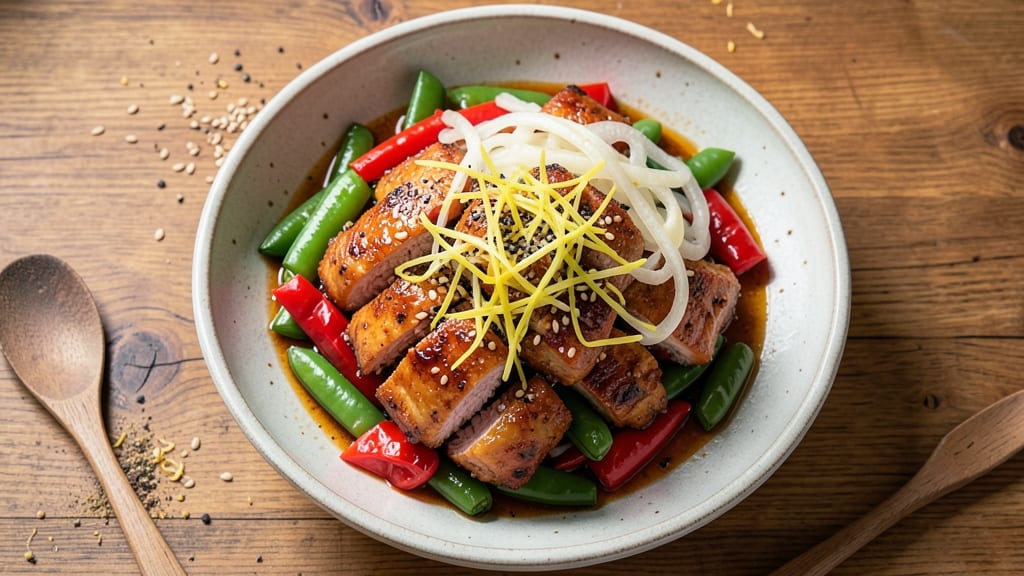
This Asian ginger chicken stir fry recipe delivers restaurant-quality wok heat and freshness in just 20 minutes, transforming simple ingredients into a fragrant, flavor-packed meal.
The secret lies in high-heat stir-frying and a balanced sauce of ginger, garlic, and soy—where every bite delivers a perfect harmony of spice and umami. I've perfected this technique over years of testing, ensuring the chicken stays tender while absorbing those bold Asian flavors without overpowering the natural taste.
The magic happens in the sauce, where freshly grated ginger and minced garlic infuse with soy sauce, rice vinegar, and a touch of sesame oil. This combination creates a glossy, aromatic coating that clings to the chicken and vegetables, delivering that signature wok-house flavor.
You don't need a wok to achieve this—any large skillet with high sides works perfectly, and the prep takes less than 15 minutes before you start cooking.
What you'll end up with is golden-brown chicken pieces with crisp edges, vibrant stir-fried vegetables, and a sauce that's both sweet and tangy with just the right amount of heat. The aroma alone will have everyone gathering around the table, and the texture—juicy chicken, crisp-tender vegetables—makes every bite satisfying.
This stir fry is versatile enough for weeknight dinners or weekend gatherings, yet feels special enough to impress guests.
Serve it over steamed jasmine rice or noodles to soak up every last drop of that flavorful sauce. The best part? Leftovers reheat beautifully, making this an ideal meal prep option for busy weeks.
Let's get started on creating this wok-heated masterpiece that brings a taste of Asia to your kitchen.
Ingredients for asian ginger chicken stir fry
Fresh ginger, crisp veggies, and tender chicken—this stir fry brings restaurant heat to your home in minutes.
| Ingredient | Amount | Notes |
|---|---|---|
| Boneless Chicken Thighs 🍗 | 1 ½ lb | Cut into 1-inch pieces |
| Fresh Ginger Root 🌿 | 2 tbsp | Finely grated, aromatic |
| Garlic Cloves 🧄 | 6 cloves | Minced, fresh preferred |
| Low-Sodium Soy Sauce 🍶 | ½ cup | Kikkoman preferred |
| Rice Vinegar 🍶 | 2 tbsp | Seasoned preferred |
| Sesame Oil 🫒 | 1 tbsp | Toasted sesame preferred |
| Honey 🍯 | 1 tbsp | Wildflower preferred |
| Red Bell Pepper 🌶️ | 1 whole | Sliced into strips |
| Broccoli Florets 🥦 | 2 cups | Fresh, cut into bite-size |
| Carrot 🥕 | 1 whole | Julienned, medium size |
| Vegetable Oil 🫒 | 2 tbsp | High smoke point |
| Green Onions 🧅 | 3 whole | Sliced, white and green |
| Toasted Sesame Seeds 🌾 | 1 tbsp | For garnish |
| Diamond Crystal Kosher Salt 🧂 | ½ tsp | For seasoning |
| Ground Black Pepper 🌶️ | ¼ tsp | Freshly ground |
The ginger is non-negotiable—freshly grated makes all the difference. Asian markets carry the best quality, but any grocery store ginger works if it's firm and free of wrinkles. For the chicken, thighs over breasts—they stay juicier during stir-frying. I always grab Kikkoman soy sauce for that authentic umami punch, but any low-sodium brand in a pinch. The garlic? Freshly minced releases more flavor than pre-minced, but if you're short on time, jarred works (just add a pinch of salt).
No fresh ginger? Powdered ginger at half the amount gets you close, but it lacks the zing. Swap the honey for maple syrup if you're avoiding it. The sesame oil is for aroma—don't cook with it, just add at the end. Vegetables can be swapped: snap peas or mushrooms work beautifully. For extra heat, toss in 1 tsp of sriracha with the sauce. The rice vinegar adds brightness—substitute lime juice if you're out, but it'll taste different.
Prep all your veggies and sauce while the chicken rests—15 minutes max. The chicken pieces should be uniform for even cooking. Store leftovers in airtight containers for 3 days, or freeze for up to 2 months. Reheat in a skillet with a splash of water to keep things moist. This reheats even better than the first serving—trust me on that. Garnish with sesame seeds right before serving for that restaurant touch.
Why You'll Love This Recipe
- One-Pan Magic: I swear by this for nights when I’m too tired to scrub three pots. Chicken thighs sear right in the same pan where the ginger and garlic bloom—no extra dishes, just sticky-sweet sauce clinging to everything.
- Ginger-Garlic Punch: That first bite? The crispy chicken, the bright vinegar tang cutting through the soy’s depth, and the ginger’s slow burn—it’s like a hug for your taste buds. (Honestly, I’ll take this over takeout any day.)
- Lunchbox Hero: Double the batch and it’s your new workweek MVP. The flavors only get better reheated, and it’s the kind of meal that makes you the office favorite—no sad desk lunches here.
- Budget Win: Chicken thighs stretch farther than breasts, and a little fresh ginger goes a long way. I’ve fed four people for under $12 with this, plus it’s the kind of leftovers that disappear before they even hit the fridge.
Step-by-step instructions for Asian ginger chicken stir fry
Here's how to create a vibrant, aromatic stir fry with perfectly balanced flavors in under 20 minutes.
Prepare the Chicken and Aromatics
Cut the 1.5 lb boneless chicken thighs into 1-inch pieces for even cooking. Place them in a bowl and season generously with 0.5 tsp Diamond Crystal kosher salt and 0.25 tsp freshly ground black pepper. Set aside while you prepare the aromatics.
Finely grate the 2 tbsp fresh ginger root using a microplane or fine grater—you want a paste-like consistency. Minced 6 cloves garlic should be finely chopped so they blend seamlessly into the stir fry. These aromatics are the flavor foundation, so don't skip the freshness—they'll infuse the entire dish with their bright, zesty notes.
Create the Flavor Base
In a small bowl, whisk together the 0.5 cup low-sodium soy sauce, 2 tbsp rice vinegar, 1 tbsp sesame oil, and 1 tbsp honey. This marinade should be smooth and well combined. The soy sauce provides umami depth, the rice vinegar adds a touch of tang, and the honey balances with subtle sweetness. Let this mixture sit while you prep the vegetables.
Slice the 1 whole red bell pepper into ½-inch strips and julienne the 1 whole carrot into thin matchsticks. Cut the 2 cups broccoli florets into bite-sized pieces. The vegetables should be prepped uniformly so they cook at the same rate as the chicken. Keeping them whole ensures they maintain their texture without turning mushy.
Cook the Chicken and Vegetables
Heat a wok or large skillet over high heat until it's smoking hot. Add 2 tbsp vegetable oil and swirl to coat the surface. Working in batches if needed, add the seasoned chicken pieces and cook for 3-4 minutes until they're golden brown on all sides. Remove the chicken and set it aside on a plate.
In the same wok, add the grated ginger and minced garlic. Stir-fry for 30 seconds until fragrant—this releases their essential oils and builds the aromatic base. Add the red bell pepper strips and broccoli florets, stirring constantly for 2 minutes until they begin to soften slightly but still retain their vibrant color. Toss in the julienned carrot and cook for another 1 minute to warm through.
Combine and Finish
Return the chicken to the wok along with any accumulated juices on the plate. Pour in the soy sauce mixture and toss everything together vigorously for 1-2 minutes until the chicken is fully coated and heated through. The sauce should glisten slightly, indicating it's properly distributed.
Taste and adjust seasoning if needed—you might want to add a splash of water or more rice vinegar for brightness, or a touch of honey for sweetness. Garnish with sliced 3 whole green onions and 1 tbsp toasted sesame seeds for texture and visual appeal. Serve immediately over steamed rice or noodles while everything is hot and fragrant.
Pro Tips For Making Asian Ginger Chicken Stir Fry
- CUT CHICKEN IN EVEN STRIPS: Uneven pieces cook at different rates, leaving some rubbery while others dry out. Use a sharp knife to slice thighs into ½-inch strips—thicker than you’d think—so they stay juicy through the stir-fry. (Yes, even if you’re impatient like me, resist the urge to rush this.)
- GRATE THE GINGER FINE: I learned this the hard way—chunky ginger sits like rocks in the pan. Use the smallest holes on a box grater or microplane to turn it into a paste. This way, it melts into the sauce instead of making you chew mystery bits.
- SALT THE CHICKEN FIRST: Toss the raw chicken with ½ teaspoon salt and let it sit 10 minutes before cooking. This guarantees crisp edges and keeps the meat tender, especially with thighs that can turn tough if neglected. (Skip this, and you’ll wonder why your stir-fry tastes bland.)
- START WITH DRY PAN, THEN ADD OIL: Heat the wok or skillet on high until it’s smoking—then add 1 tablespoon oil. This sears the chicken to a golden crust before the sauce dilutes the heat. If you add oil first, you’ll steam the chicken instead of browning it. (Your future self will thank you.)
Pro cooking tips for perfect results
High-Heat Mastery
Your wok or skillet needs to be ripping hot before adding oil—test it by flicking a drop of water that sizzles and evaporates instantly. I use a 14-inch carbon steel wok from Made In for its superior heat retention, but any heavy-bottomed skillet works.
Keep the heat at high throughout cooking to maintain that signature wok hei (breath of the wok) flavor. 🔥
Batch Cooking
Cook the chicken in single layers to avoid steaming instead of searing. If needed, work in two batches—overcrowding drops the temperature and makes the chicken rubbery.
I find 3-4 minutes per batch at high heat gives perfect golden-brown edges. Keep the cooked chicken warm in a bowl while finishing the veggies.
Vegetable Timing
Add harder vegetables like carrots and bell peppers first (they take longer to cook), followed by broccoli last. Stir-fry in 30-second bursts—this keeps them crisp-tender.
The goal is vibrant color and slight softness, not mushy piles. I time my stir-fry in 2-minute intervals between vegetable additions for perfect texture.
Sauce Integration
Pour the sauce over the chicken just before serving—this prevents the vegetables from absorbing too much liquid and turning soggy. Toss vigorously for 1-2 minutes until everything glistens.
For extra shine, I add 1 tsp cornstarch mixed with 1 tsp water to the sauce before tossing—it thickens beautifully without altering flavor. 💫
Resting the Chicken
Let the chicken rest for 2-3 minutes after cooking before adding it back to the wok. This prevents juices from spilling out when tossed. I also recommend resting the final dish for 1 minute before serving—it allows flavors to meld and makes plating easier.
Trust me, this small step makes a huge difference in texture and presentation.
Garnish Like a Pro
Freshly toasted sesame seeds add nutty crunch and visual appeal—heat 1 tbsp seeds in a dry skillet for 30 seconds** until golden, then sprinkle on top. Slice green onions on the bias for longer strands that drape elegantly.
I also add a pinch of flaky sea salt right before serving to elevate all the flavors. These finishing touches take seconds but elevate the dish to restaurant quality.
Nutrition facts
Frequently asked questions
Can I substitute chicken thighs with chicken breasts?
You can try, but thighs work better for stir-frying. Chicken breasts cook faster and can turn dry if overcooked. If using breasts, cut them into ½-inch thick pieces and cook for only 2-3 minutes until just done. For extra juiciness, marinate them in the sauce for 10 minutes before cooking.
How do I make this spicier?
Add ½ tsp of red pepper flakes or 1 tbsp of sriracha to the sauce for immediate heat. For deeper spice, include 1 tbsp of chili garlic sauce or finely chopped ½ fresh Thai chili when stir-frying the aromatics. Adjust to taste at the end—you can always add more!
What's the best way to reheat leftovers?
Reheat in a skillet over medium heat with 1 tsp of water or oil to prevent drying. Stir constantly for 2-3 minutes until warmed through. Avoid microwaving—it makes the vegetables soggy. For extra flavor, add a splash of soy sauce or a pinch of ginger when reheating.
Can I make this gluten-free?
Yes! Replace the soy sauce with ½ cup gluten-free tamari or coconut aminos. Check labels—some tamari brands contain wheat. For extra umami, add 1 tbsp of gluten-free fish sauce to the sauce mixture. The flavor will be slightly different but still delicious.
Why does my stir fry taste bland?
Most likely, your heat wasn't high enough. Stir-frying requires high heat to develop wok hei (smoky flavor). Also, ensure you're using fresh ginger and garlic—they're essential for flavor. Taste as you go and adjust with more soy sauce, vinegar, or a pinch of salt. Fresh herbs like cilantro or basil can also brighten the dish.