Main Courses
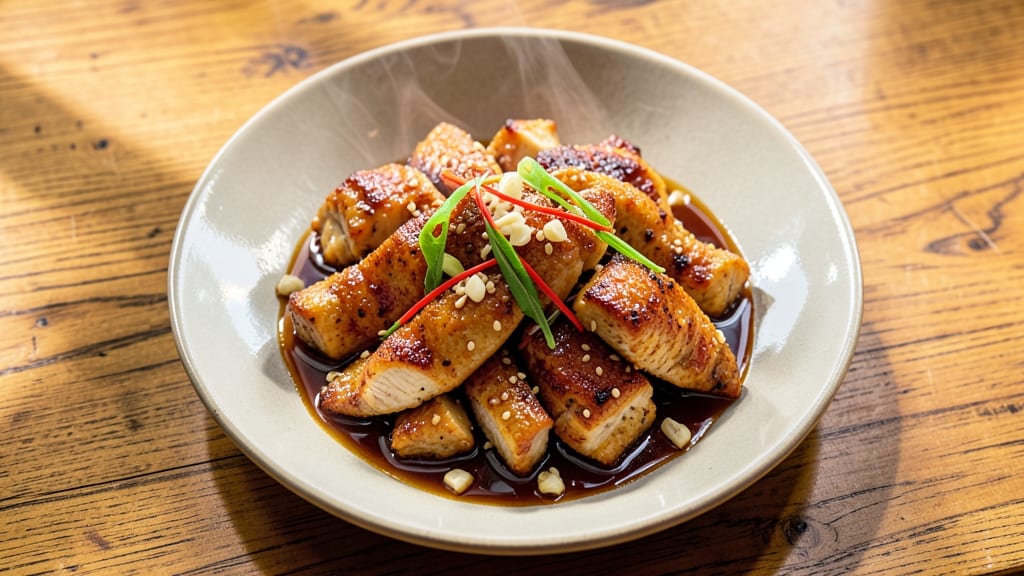
This Asian style lemon chicken recipe transforms ordinary chicken into a vibrant, zesty dish that balances bold Asian flavors with bright citrus notes. The secret lies in a marinade packed with ginger, garlic, and soy sauce, which tenderizes the chicken while infusing it with layers of umami and warmth.
What makes this recipe stand out is how the lemon's acidity cuts through the richness, creating a perfect harmony that's both refreshing and deeply satisfying.
The process is straightforward yet rewarding: simply marinate the chicken for at least 30 minutes, then cook it to your preference—grilled for smoky depth, baked for crispy edges, or stir-fried for a quick weeknight meal.
The result is juicy, flavorful chicken with a crispy exterior that holds up beautifully, whether served over steamed rice or alongside fresh steamed vegetables. This dish is ideal for those who love bold flavors but crave a lighter, citrus-infused twist.
By the time you're done, you'll have a restaurant-quality meal that's simple to prepare and packed with flavor. The aroma alone will draw everyone to the table, and each bite delivers a perfect balance of tangy, spicy, and savory notes.
Garnish with sesame seeds or fresh cilantro for an extra touch of freshness, and you'll have a dish that's as impressive as it is delicious.
Perfect for family dinners, meal prep, or entertaining guests, this recipe scales easily to feed a crowd while keeping the flavors vibrant and true.
The beauty of this dish lies in its versatility—adjust the spice level to your taste, swap in different vegetables, or serve it cold in lettuce wraps for a refreshing twist. Here's how to make it!
Ingredients for asian style lemon chicken
Bright citrus, bold ginger, and tender chicken come together in this vibrant recipe.
| Ingredient | Amount | Notes |
|---|---|---|
| Boneless, Skinless Chicken Thighs 🍗 | 1 ½ lb | Cut into 1-inch pieces for even cooking |
| Fresh Ginger 🌿 | 2 tbsp | Finely grated, aromatic variety |
| Garlic Cloves 🧄 | 5 cloves | Minced, fresh preferred |
| Lemon Juice 🍋 | ½ cup | Freshly squeezed, seeds removed |
| Low-Sodium Soy Sauce 🍶 | ⅓ cup | Kikkoman preferred for authentic flavor |
| Honey 🍯 | 2 tbsp | For balancing acidity |
| Sesame Oil 🫒 | 1 tbsp | Toasted sesame oil for aroma |
| Rice Vinegar 🍶 | 1 tbsp | White rice vinegar for tang |
| Cornstarch 🌾 | 2 tbsp | For crispy coating |
| Vegetable Oil 🫒 | ½ cup | For frying or baking |
| Fresh Cilantro 🌿 | ¼ cup | Chopped, for garnish |
| Toasted Sesame Seeds 🌾 | 1 tbsp | For garnish and crunch |
| Red Chili Flakes 🌶️ | ½ tsp | Adjust for spice preference |
| Salt 🧂 | 1 tsp | Kosher salt for seasoning |
| Black Pepper 🌶️ | ½ tsp | Freshly ground for heat |
The chicken thighs are the star—bone-in, skin-on if you can find them, but boneless works too. Look for organic or free-range at stores like Whole Foods or your local butcher for richer flavor. Fresh ginger and garlic are non-negotiable here; pre-minced jars won’t cut it. The Kikkoman soy sauce is a must for that authentic umami punch, but any good-quality low-sodium soy will do. For the lemon juice, use organic lemons if possible—they’re brighter and more flavorful.
No fresh ginger? Powdered ginger at half the amount works in a pinch, but it lacks that fresh zing. Short on sesame oil? Avocado oil or neutral oil will work, but skip the toasted flavor. The cornstarch is key for that crispy exterior—arrowroot powder works too if you’re out. For extra tang, add a splash more rice vinegar. If you’re serving this cold, add a bit of lime juice to keep the flavors fresh. The red chili flakes can be swapped for Sichuan peppercorns if you want a different kind of heat.
Marinate the chicken for at least 30 minutes—overnight is even better. Store leftovers in an airtight container for 3-4 days in the fridge, or freeze for up to 3 months. The crispy coating loses its crunch when reheated, so serve fresh. Garnish with cilantro and sesame seeds right before eating—they add freshness and visual appeal. This dish tastes even better the next day as the flavors meld, so make extra!
Why You'll Love This Recipe
- Minimal Ingredient List: This recipe only needs six things—no crowded pantry or specialty shopping required. Honestly, I keep ginger, garlic, and soy sauce stocked anyway, so it’s like I’m already halfway there.
- Tangy-Savory Magic: The lemon juice cuts through the richness of the chicken thighs while the soy sauce and garlic deepen the flavor—bright, salty, and just a little funky. That crispy edge with the tender inside? Chef’s kiss.
- Lunchbox Hero: Pack the leftovers for work or school—it reheats beautifully and tastes just as good cold. Between us, I’ve sent this in a thermos more times than I can count, and no one’s ever complained.
- Budget-Friendly Feast: Chicken thighs stretch further than breasts, and this recipe serves four for under $10. I’ll be real: it’s my go-to when I need to feed the family without breaking the bank.
Step-by-step instructions for Asian style lemon chicken
This vibrant dish balances bright citrus with aromatic ginger and savory soy—here's how to bring it all together.
Prep the Chicken and Marinade
Cut the 1.5 lb boneless, skinless chicken thighs into 1-inch pieces for even cooking. In a large bowl, combine the finely grated 2 tbsp fresh ginger, minced 5 cloves garlic, 0.5 cup lemon juice, 0.33 cup low-sodium soy sauce, 2 tbsp honey, 1 tbsp sesame oil, 1 tbsp rice vinegar, 0.5 tsp red chili flakes, 1 tsp salt, and 0.5 tsp black pepper. Mix until the chicken is fully coated and the marinade is well combined.
Let the chicken marinate for at least 30 minutes (or up to 2 hours in the fridge) while you prepare the next steps. This ensures tender, flavorful meat with a perfect balance of tangy, sweet, and spicy notes. The longer it marinates, the more the flavors penetrate—don't skip this step!
Create the Crispy Cornstarch Coating
In a separate bowl, toss the marinated chicken with 2 tbsp cornstarch until each piece is evenly dusted. This creates a light, crispy coating that holds up beautifully during frying. Shake off any excess—just enough to stick to the chicken, not clump in your pan.
Heat 0.5 cup vegetable oil in a large skillet over medium-high heat until it shimmers but doesn't smoke. Test the heat by dropping a small piece of chicken in—if it sizzles immediately, it's ready. Fry the chicken in batches for 3-4 minutes per side until golden brown and cooked through to 165°F internally.
Finish with Fresh Herbs and Garnishes
Remove the chicken from the skillet and transfer it to a plate lined with paper towels to drain excess oil. While still warm, sprinkle with 0.25 cup chopped fresh cilantro and 1 tbsp toasted sesame seeds for a burst of freshness and nutty crunch. The contrast between the crispy chicken, bright herbs, and toasted seeds makes this dish pop.
Serve immediately with steamed rice or noodles to soak up the tangy-sweet sauce. The combination of citrus, ginger, and sesame creates a harmonious balance that's both refreshing and satisfying. If you prefer extra heat, add a pinch more red chili flakes to the finished dish.
Pro Tips For Making Asian Style Lemon Chicken
- Sear Before Sauce: Hit the chicken thighs with a quick sear in a hot pan—no oil needed at first, just the natural fats. This builds flavor and prevents the sauce from turning into a sad, watery glaze later.
- Mince Ginger Like You Mean It: Fresh ginger loses its kick when it’s just chopped. Use a microplane or knife to make it into a paste—this releases more oils and blends seamlessly into the sauce. (Yes, even if you’re impatient like me.)
- Don’t Rush the Soy: Low-sodium soy sauce needs time to meld. Simmer it with garlic and ginger for at least 3 minutes before adding lemon—this stops the acid from making the sauce taste flat and one-note.
- Reserve That Lemon: Toss in half the lemon juice at the end, not all at once. The rest goes in the sauce, but saving some for finishing keeps the chicken bright and tangy instead of drowned in acid. (Your future self will notice the difference.)
Troubleshooting this recipe
Undercooked Chicken
If your chicken isn't reaching 165°F internally, your oil temperature might be too low or cooking time insufficient. I always use a meat thermometer—insert it into the thickest piece to check.
For pan-frying, maintain oil at 350-375°F using an instant-read thermometer. If using an oven, bake at 400°F for 20-25 minutes until fully cooked. 🌡️
Dry or Tough Chicken
Overcooking is the usual culprit here. Chicken thighs are forgiving, but if they turn out dry, your marinating time might have been too short. Aim for 30-60 minutes minimum—overnight marinating keeps them juicy.
Also, avoid overcrowding the pan; cook in single layers for even browning. Pat pieces dry before coating to improve crispiness.
Lemon Flavor Fading
Fresh lemon juice is essential—bottled versions lack brightness. If the citrus flavor seems weak, your marinade might have sat too long. I recommend using the marinade within 24 hours of mixing.
For extra zing, add 1 tbsp lemon zest to the marinade or squeeze fresh lemon over the finished dish. 🍋
Sauce Too Watery
The tangy-sweet sauce can thin out if too much liquid accumulates in the pan. Reduce the heat to medium-low and let it simmer uncovered for 2-3 minutes to thicken.
Alternatively, stir in 1 tsp cornstarch mixed with 1 tbsp water to bind the sauce. For a richer finish, add a splash of sesame oil at the end.
Burnt Cornstarch Coating
High heat turns cornstarch to ash quickly. Keep your oil at 350-375°F and avoid overcrowding the pan. If the coating burns, reduce heat slightly and cook in smaller batches. For extra crispiness without burning, broil the chicken for 1-2 minutes at the end of cooking. 🔥
Uneven Cooking
Chicken pieces should be uniform in size—cut them all to 1-inch thickness for even cooking. If some pieces cook faster, remove them early and keep warm in a 200°F oven while finishing the rest. For stir-frying, work in batches to maintain consistent heat distribution in your wok or skillet.
Nutrition facts
Frequently asked questions
Can I use chicken breast instead of thighs?
Yes, but chicken breasts require extra care to stay juicy. Cut them into 1-inch pieces and marinate for at least 1 hour (preferably overnight). Cook at medium heat for 2-3 minutes per side—they'll cook faster than thighs. For best results, use thighs or a 50/50 mix of both.
How do I make this recipe gluten-free?
Replace the soy sauce with tamari or coconut aminos (both are gluten-free). Check that your cornstarch is certified gluten-free too. The rest of the ingredients are naturally gluten-free, so this swap keeps all the flavor while making it safe for gluten-sensitive diets.
Can I bake this instead of frying?
Preheat oven to 400°F and place the cornstarch-coated chicken on a greased baking sheet. Bake for 20-25 minutes, flipping halfway, until golden and reaching 165°F internally. For extra crispiness, broil for 2-3 minutes at the end. The texture will be slightly different but still delicious!
What sides pair best with this dish?
Steamed jasmine rice or jasmine rice is classic, but you could also try coconut rice for extra richness. For a lighter option, serve with stir-fried bok choy or sesame green beans. The bright citrus flavors also complement cold soba noodles or a simple cucumber salad.
How can I make this spicier?
Add 1-2 tbsp of gochujang (Korean chili paste) or 1 tsp of sriracha to the marinade. For heat with depth, swap the red chili flakes for 1 tbsp of finely chopped fresh chili or 1 tsp of chili crisp. Finish with extra chili flakes on top for a fiery kick!