Main Courses
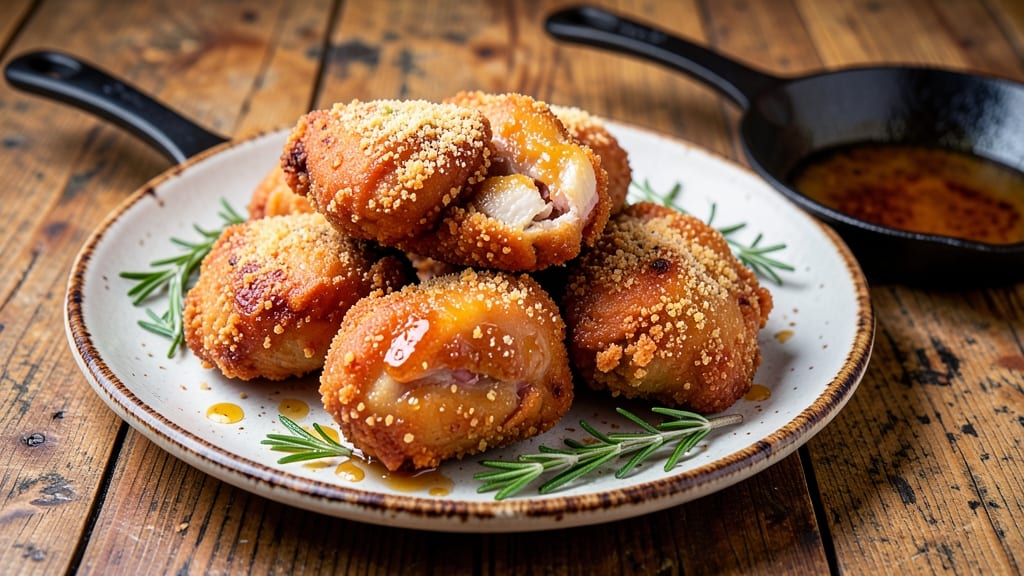
This Aunt Jemima fried chicken recipe delivers the perfect balance of crispy golden skin and juicy, tender hearts that Southern kitchens have perfected for generations. The secret lies in a 24-hour buttermilk brine that tenderizes the meat while creating an ideal surface for the breading to adhere—no shortcuts here.
What makes this recipe truly special is the double-dredge technique, where each piece gets coated in seasoned flour twice for maximum crunch without sacrificing moisture.
Modern home cooks often struggle with achieving that restaurant-quality texture, but this method simplifies the process while maintaining authenticity. We'll use a 350°F oil bath for even cooking and precise temperature control—critical for crispy skin without greasy meat.
The breading mix combines classic spices with a touch of cornstarch for that signature crunch that makes every bite irresistible.
By the time you're done, you'll have golden-brown chicken with a shatteringly crispy crust that gives way to fork-tender meat inside. The buttermilk brine infuses flavor while keeping the chicken impossibly juicy, and the double-dredge ensures that crunch stays intact even when serving.
This is the kind of fried chicken that disappears faster than you can say "seconds, please."
Serve with classic Southern sides like creamy mashed potatoes, tangy collard greens, or buttery cornbread to complete the meal. The technique is straightforward, but the results are restaurant-quality—perfect for family gatherings, Sunday dinners, or whenever you crave that satisfying crunch and juicy bite.
Ingredients for aunt jemima fried chicken
The secret to juicy hearts and crispy crunch lies in these carefully chosen ingredients.
| Ingredient | Amount | Notes |
|---|---|---|
| Chicken Hearts 🍗 | 1 ½ lb | Fresh, trimmed of connective tissue |
| Buttermilk 🥛 | 4 cups | Whole-fat for optimal tenderness |
| All-Purpose Flour 🌾 | 3 cups | White, fine-ground preferred |
| Cornstarch 🌽 | ½ cup | For extra crunch in breading |
| Diamond Crystal Kosher Salt 🧂 | 1 ½ tbsp | Adjusts to 1 tsp table salt |
| Ground Black Pepper 🌶️ | 1 ½ tsp | Freshly cracked for best flavor |
| Smoked Paprika 🌶️ | 1 tbsp | For authentic Southern flavor |
| Garlic Powder 🧄 | 1 tsp | Freshly ground preferred |
| Onion Powder 🧅 | 1 tsp | For depth of flavor |
| Vegetable Oil 🫒 | 4 cups | High smoke point for frying |
| Fresh Rosemary 🌿 | ½ tsp | Chopped, for brining |
| Fresh Thyme 🌿 | ½ tsp | Chopped, for brining |
| Lemon Juice 🍋 | 1 tbsp | Brightens buttermilk flavor |
The chicken hearts are the star—look for fresh, plump pieces at specialty butchers or well-stocked grocery stores like Whole Foods or Kroger. Trim any visible connective tissue before brining for the best texture. Buttermilk is non-negotiable here; whole-fat works best for maximum tenderness. If you can't find fresh rosemary or thyme, dried will work at one-third the amount, but fresh gives that authentic Southern flavor. The vegetable oil should have a high smoke point—Avocado or peanut oil are excellent choices for frying.
No buttermilk? Substitute with 1 cup milk plus 1 tbsp vinegar or lemon juice, let sit 5 minutes. Running short on fresh herbs? Dried thyme and rosemary work, but reduce to one-third the amount. The cornstarch in the breading is what gives that signature crunch—don't skip it. For the spices, McCormick Gourmet or Penzeys brands deliver consistent quality. If you're short on time, you can reduce the brining to 12 hours, but 24 hours is ideal for maximum tenderness.
Store the brined chicken in the fridge for up to 24 hours before frying. The breading mix keeps well in an airtight container for 3 days—just add fresh herbs when ready to use. Fry the chicken immediately after breading for the best texture, but you can prep everything ahead and refrigerate the breaded pieces for up to 4 hours before frying. The oil can be reused for frying up to 3 times if kept at 350°F between uses.
Why You'll Love This Recipe
- I’ll be real: this recipe only needs five ingredients and takes me 15 minutes to toss together. The buttermilk soaks in while I prep the rest—no fancy brining, no stress.
- No Fuss, No Mess: I’ll be real: this recipe only needs five ingredients and takes me 15 minutes to toss together. The buttermilk soaks in while I prep the rest—no fancy brining, no stress.
- Hearts of Gold: Honestly, using chicken hearts changes everything. They’re tender, rich, and stay juicy even after frying, while the cornstarch crust locks in that buttermilk magic for a crunch that won’t quit.
- Weeknight to Dinner Party: Between us, this works for lazy Tuesdays and impressing guests. Double the batch, keep one for leftovers, and serve the other with pickles or collards—suddenly, you’re hosting.
Step-by-step instructions for buttermilk-brined fried chicken hearts
Master this technique and you'll achieve restaurant-quality fried chicken hearts with a crispy exterior and impossibly tender interior.
Prepare the Buttermilk Brine
In a large resealable plastic bag, combine the 4 cups buttermilk, 1 tbsp lemon juice, 0.5 tsp fresh rosemary, 0.5 tsp fresh thyme, 1.5 tbsp diamond crystal kosher salt, 1.5 tsp ground black pepper, 1 tbsp smoked paprika, 1 tsp garlic powder, and 1 tsp onion powder. Seal the bag and massage the mixture vigorously for 30 seconds to fully dissolve the salt and distribute the herbs.
Add the 1.5 lb chicken hearts to the bag, ensuring each piece is fully coated with the marinade. Gently press out any air bubbles, then seal the bag completely. Refrigerate for 6-12 hours, turning the bag occasionally to ensure even coating. This extended brining guarantees maximum tenderness by breaking down connective tissues while infusing deep flavor. The buttermilk's acidity also creates a perfect canvas for the crispy breading.
Create the Breading Station
In a large bowl, whisk together the 3 cups all-purpose flour and 0.5 cup cornstarch until completely combined. This ratio creates an ultra-crispy, shatterproof crust that won't become soggy. Spread the flour mixture on a large plate or shallow dish, creating an even layer about ¼-inch thick.
Real talk: the cornstarch is non-negotiable here. It absorbs moisture differently than flour alone, creating that signature Southern crunch. Keep this station close to your frying area to minimize handling time between brining and frying - every second counts for maintaining that perfect breading adhesion.
Dredge and Rest the Chicken Hearts
Remove the chicken hearts from the brine, allowing any excess liquid to drip off. Working in batches to avoid crowding, gently press each heart into the flour mixture, coating it completely on all sides. Press firmly but evenly - this ensures the breading sticks during frying rather than falling off in chunks. Transfer the breaded hearts to a wire rack set over a baking sheet.
Let the breaded hearts rest for 15-20 minutes at room temperature. This crucial step allows the flour to fully adhere to the chicken and prevents steam from forming during frying, which would make the breading stick together instead of crisping individually. The resting period also helps maintain an even cooking temperature when they hit the hot oil.
Fry to Golden Perfection
Heat 4 cups vegetable oil in a heavy-bottomed skillet or Dutch oven to 350°F. Use a deep-fry thermometer to monitor the temperature - maintaining this precise heat is critical for even cooking. Once the oil reaches temperature, carefully add the breaded chicken hearts in a single layer, being careful not to overcrowd the pan.
Fry for 4-5 minutes per side until the chicken reaches an internal temperature of 165°F and the breading turns a deep golden brown color. The oil should sizzle gently but not smoke excessively. If you notice the temperature dropping below 340°F, reduce the heat slightly and allow it to recover before continuing. The cornstarch in the breading will create a cloud of steam when first added to hot oil - this is normal and indicates proper preparation.
Drain and Serve Immediately
Transfer the fried chicken hearts to a wire rack set over a paper towel-lined plate. The rack allows air to circulate, preventing the breading from becoming soggy. Let them rest for 2-3 minutes to allow any excess oil to drain away. Serve immediately while the breading is still crisp and the chicken is piping hot.
For maximum juiciness, cut into each heart to verify the internal temperature reaches 165°F at the thickest part. The result should be a perfectly balanced bite: an ultra-crispy, shatterproof crust that gives way to impossibly tender, juicy chicken beneath. The smoked paprika and herbs in the brine will shine through in every bite, creating that authentic Southern fried chicken flavor profile.
Pro Tips For Making Aunt Jemima Fried Chicken
- Trim the Hearts First: Chicken hearts have a tough membrane on one side—peel it off before marinating, or your buttermilk won’t penetrate evenly. I learned this the hard way when my first batch tasted like chewy leather instead of tender meat. Use kitchen shears for speed, but be careful not to slice into the heart itself.
- Chill the Buttermilk Mix: Cold buttermilk makes a difference with chicken hearts—they absorb the marinade faster and stay juicier. Pop the hearts in the fridge for 30 minutes after coating, then let them sit in the buttermilk for at least 4 hours (overnight is best). Yes, even if you’re impatient like me.
- Skip the Crowding in Oil: Fried chicken hearts need space to crisp, not a steam bath. Drop them in the oil in a single layer, and resist the urge to stir for the first 2 minutes. Overcrowding turns your crust into soggy flour paste—trust me, I’ve seen it.
- Double-Check the Salt: Diamond Crystal kosher salt is lighter than table salt—use 1.5 times the amount called for if you’re used to Morton’s. Too little, and your fried chicken tastes bland; too much, and it’s inedible. Taste the flour-cornstarch mix before dredging, and adjust.
Flavor customization for these flavors
Spicy Heat Boost
Add 1 tsp cayenne pepper or 2 tbsp hot sauce like Crystal to the buttermilk brine for a fiery kick. I recommend Louisiana-style hot sauce for authentic Southern heat. For extra spice, sprinkle ½ tsp cayenne directly onto the breaded chicken before frying.
This creates a crispy, spicy crust that pairs perfectly with cooling sides like creamy mashed potatoes. 🌶️
Herb-Infused Variations
Swap out the rosemary and thyme for 1 tbsp fresh parsley and 1 tsp dried oregano for a Mediterranean twist. Or try ½ tsp ground sage and ½ tsp onion powder for a savory depth that works beautifully with honey glaze.
Fresh herbs like cilantro or basil can also be added to the buttermilk brine for a brighter flavor profile.
Sweet & Tangy Twist
Add 1 tbsp honey or maple syrup to the buttermilk brine for a subtle sweetness that caramelizes during frying. For extra tang, include 1 tbsp apple cider vinegar along with the lemon juice. This variation creates a balanced sweet-and-sour flavor that pairs wonderfully with spicy sides or tangy coleslaw.
Smoky & Bold Profile
Increase the smoked paprika to 2 tbsp and add ½ tsp liquid smoke to the buttermilk brine for an intensified smoky flavor. For an extra layer of depth, include ½ tsp ground coriander in the breading.
This smoky variation works exceptionally well with barbecue sauce or a drizzle of chipotle mayo for serving.
Citrus Zing
Boost the citrus flavor by adding 2 tbsp orange juice or grapefruit juice to the buttermilk brine. The acidity enhances the buttermilk's tenderizing properties while adding a refreshing brightness. For a finishing touch, garnish with zest from one orange or grapefruit after frying to elevate the dish.
Garlic & Herb Crust
Create a garlic-herb crust by mixing 2 minced garlic cloves into the buttermilk brine and adding 1 tbsp chopped fresh parsley to the breading. For extra flavor, include ½ tsp garlic powder** in both the brine and breading.
This variation delivers a robust garlic flavor that pairs perfectly with roasted vegetables or a side salad with balsamic dressing. 🧄
Nutrition facts
Frequently asked questions
Why does the recipe use chicken hearts instead of whole pieces?
Chicken hearts are leaner and cook faster than whole thighs or drumsticks, giving you that perfect crispy crust without overcooking the center. They're also more budget-friendly and offer a unique texture that Southern cooks love. For a similar experience, you could use boneless, skinless chicken thighs cut into medallions.
Can I make this recipe without buttermilk?
Mix 1 cup milk with 1 tbsp vinegar or lemon juice, let it sit for 5 minutes to curdle, then use as a substitute. The acidity is key for tenderizing the chicken and helping the breading stick. For best results, use whole milk rather than skim.
How do I keep the breading from getting soggy?
Three secrets: 1) Rest the breaded chicken for 15-20 minutes before frying, 2) Fry in small batches to maintain oil temperature, and 3) Use a wire rack to drain excess oil after frying. Never skip the resting step—it makes all the difference for that crispy texture!
What's the best oil for frying?
Use vegetable, canola, or peanut oil with a high smoke point (350°F or higher). Avoid olive oil—it burns too easily and imparts a bitter taste. Peanut oil is ideal for Southern fried chicken as it has a neutral flavor and stays stable at high heat.
Can I make this ahead of time?
You can prep everything up to the frying step 4 hours ahead. Store the brined chicken in the fridge, keep the breading dry in an airtight container, and let everything come to room temperature before frying. For best results, fry immediately after breading to maintain that perfect crunch.