
Soups & Stews
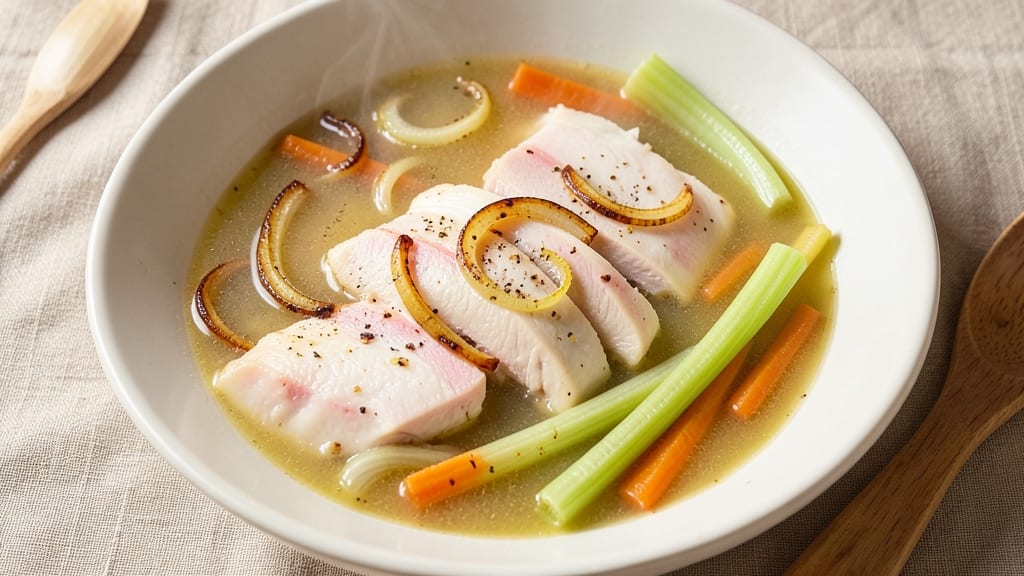
This baby chicken soup recipe transforms tender chicken into a comforting, nutrient-packed meal perfect for little ones and anyone needing gentle warmth. 💛 The secret lies in slow-cooked chicken that shreds effortlessly, creating a broth so flavorful it disappears spoonful by spoonful.
What makes this recipe special is its adaptability—simple enough for weeknight dinners but sophisticated enough for family gatherings, with options to adjust seasoning for dietary needs.
The process begins with simmering aromatic vegetables and herbs in water or low-sodium broth, building a fragrant base that infuses the chicken as it cooks. Shredding the chicken by hand ensures tender, bite-sized pieces that melt in your mouth, while optional additions like rice or noodles make it heartier.
The result is a soup that's both nourishing and comforting, with a texture that's velvety yet light.
What sets this recipe apart is its ability to soothe while satisfying—ideal for recovery meals, picky eaters, or anyone craving a bowl of homegrown goodness. The broth absorbs the chicken's natural flavors, creating a depth that store-bought versions simply can't match.
Whether you're feeding a family or meal prepping for the week, this soup delivers on warmth, nutrition, and simplicity.
For added customization, consider swapping in gluten-free noodles or adjusting the seasoning to suit dietary preferences. The recipe scales effortlessly, making it perfect for leftovers or sharing with neighbors. Here's how to create a bowl of gentle comfort that everyone will love.
Ingredients for baby chicken soup
Transform simple ingredients into velvety baby chicken soup with tender, hand-shredded chicken and aromatic broth.
| Ingredient | Amount | Notes |
|---|---|---|
| Boneless, Skinless Chicken Breast 🍗 | 1 ½ lb | Organic preferred for tenderness |
| Low-Sodium Chicken Broth 🥫 | 4 cups | Homemade or high-quality store-bought |
| Yellow Onion 🧅 | 1 whole | Medium size, diced finely |
| Carrots 🥕 | 3 medium | Organic preferred, peeled and sliced |
| Celery Stalks 🌿 | 2 whole | Fresh, trimmed and chopped |
| Garlic Cloves 🧄 | 4 cloves | Fresh, minced thoroughly |
| Fresh Parsley 🌿 | ¼ cup | Chopped finely for garnish |
| Fresh Thyme 🌿 | 1 tbsp | Leaves only, organic preferred |
| Bay Leaves 🌿 | 2 whole | Dried, removed before serving |
| Extra-Virgin Olive Oil 🫒 | 1 tbsp | For sautéing vegetables |
| Salt 🧂 | 1 tsp | Diamond Crystal preferred |
| Black Peppercorns 🌶️ | ½ tsp | Freshly ground for best flavor |
| White Rice 🍚 | ½ cup | Uncooked, long-grain preferred |
| Fresh Lemon Juice 🍋 | 1 tbsp | Brightens the broth beautifully |
The chicken breast is the foundation—look for organic, free-range when possible, as it yields more tender meat. Trader Joe's and Whole Foods carry excellent options, but any high-quality supermarket will do. The broth should be low-sodium to avoid over-salting the dish, though you can adjust seasoning later. For the vegetables, organic carrots and celery have better flavor and fewer pesticides, but conventional works fine if that's what's available. Fresh herbs like thyme and parsley elevate the dish significantly—Penzeys Spices sells excellent dried thyme if fresh isn't an option.
No chicken broth? Low-sodium vegetable broth works perfectly, though the flavor will be slightly different. Substituting bone broth from grass-fed beef adds richness but requires adjusting salt levels. For the rice, jasmine or basmati are excellent alternatives to long-grain white. If you prefer gluten-free, swap the rice for quinoa or gluten-free pasta. The lemon juice can be omitted if serving to children who dislike citrus, but it brightens the broth beautifully—freshly squeezed is best, though bottled works in a pinch. For a dairy-free option, ensure no cross-contamination with butter or cream.
Store any leftover broth in an airtight container for up to 5 days in the fridge, where it continues to develop deeper flavor. The shredded chicken keeps well for 4 days and reheats beautifully—simply warm with a splash of broth. For meal prep, portion the soup into glass containers with tight lids to maintain freshness. Freeze portions for up to 3 months, though the texture may change slightly upon thawing. The rice can be cooked separately and added fresh to maintain texture.
Why You'll Love This Recipe
- No-Chop Night: I swear by the "quick dice" trick—just roughly chop the onion, carrots, and celery into bite-sized pieces. No fancy knife skills, no peeling carrots (unless you want to), and it still tastes like you slaved over it. That’s the magic of a good broth doing the work.
- Broth-Led Magic: Low-sodium broth might sound boring, but here’s the secret: simmer those shredded chicken breasts until they’re falling apart, and suddenly you’ve got a flavor bomb. The onion and celery mellow into sweetness while the carrots stay crisp—just enough texture to make every spoonful satisfying.
- Lunchbox Hero: Between us, this is my go-to for meal prep. Shred the chicken, pack it into containers with a splash of broth, and boom—protein-packed lunches for days. Add a sprinkle of fresh parsley before serving, and suddenly you’ve got a soup that feels fancy enough for a workday or a picnic.
- Budget Win: Chicken breast is affordable, and this recipe stretches it further than you’d think. A single breast makes four servings, and the veggies? They’re the cheap, crunchy stars of the show. Honestly, it’s the kind of dish that makes me feel like I’m feeding a crowd without breaking the bank.
Step-by-step instructions for baby chicken soup
Here's how to craft a nourishing, tender soup perfect for little ones.
🍳 Step 1: Sauté the Aromatic Vegetable Base
Heat the 1 tablespoon extra-virgin olive oil in a large pot over medium heat. Add the 1 whole yellow onion (finely diced), 3 medium carrots (sliced), and 2 whole celery stalks (chopped). Cook for 5-6 minutes until the vegetables soften and the onion becomes translucent.
This foundational step builds flavor through caramelization. I press down gently with a wooden spoon during the first 2 minutes—this prevents the vegetables from sticking and ensures even cooking. The vegetables should release their natural juices, creating a fragrant base for the broth.
Add the 4 cloves garlic cloves (minced) and 1 tablespoon fresh thyme leaves, stirring for 30 seconds until fragrant. Here's the thing—garlic burns quickly, so don't walk away. You'll know it's ready when the kitchen smells noticeably more aromatic.
🥘 Step 2: Simmer the Broth with Seasonings
Pour in the 4 cups low-sodium chicken broth and bring to a gentle boil. Add the 1.5 lb boneless, skinless chicken breast, 2 whole bay leaves, 1 teaspoon salt, and 0.5 teaspoon black peppercorns. Reduce heat to low and let it simmer uncovered for 20-25 minutes.
I use a low simmer rather than a rolling boil to prevent the chicken from becoming tough. The broth should bubble gently at the edges but remain calm in the center. This gentle cooking method ensures the chicken stays tender and the broth develops depth of flavor.
After 15 minutes, check the chicken with a fork. It should be nearly cooked through but still slightly firm to the touch. If it's not quite ready, continue simmering for another 5 minutes. The bay leaves will infuse the broth with subtle herbal notes, while the peppercorns add a gentle warmth.
🍳 Step 3: Shred the Chicken and Add Rice
Remove the chicken from the pot using tongs and transfer it to a clean cutting board. Let it rest for 2 minutes before shredding with two forks. I pull the chicken apart against the grain, creating fine, tender shreds that dissolve easily in the broth.
Return the shredded chicken to the pot. Add the 0.5 cup white rice and stir gently to distribute it evenly. The rice should be fully submerged in the broth. Bring the mixture back to a gentle simmer and cook uncovered for 15-18 minutes, stirring occasionally.
Here's where it gets critical: the rice should absorb the broth but remain tender, not mushy. You'll know it's done when the grains are translucent at the edges and the broth has thickened slightly. If it's not quite thick enough, simmer for another 2-3 minutes—the rice will continue to absorb liquid as it cools.
🍋 Step 4: Finish with Fresh Herbs and Lemon
Remove the pot from heat and stir in the 1 tablespoon fresh lemon juice and 0.25 cup fresh parsley (finely chopped). The lemon juice brightens the broth, cutting through the richness of the chicken and adding a gentle acidity that's perfect for little palates.
Let the soup rest for 5 minutes before serving. This resting period allows the flavors to meld and the rice to finish absorbing any remaining liquid. The parsley adds a fresh, vibrant note that makes the soup visually appealing and adds a subtle herbal depth.
Before serving, remove the bay leaves and adjust the seasoning if needed. The soup should be comfortingly warm but not scalding—ideal for sensitive little appetites. This gentle, nourishing broth delivers protein, vitamins, and easy-to-digest carbohydrates in every spoonful.
Pro Tips For Making Baby Chicken Soup
- Sear the Chicken First: I learned this the hard way—skipping the sear means flavorless broth. Pat the chicken breasts dry, then hit them with a hot pan for 2-3 minutes per side before adding broth. The crust locks in moisture and adds depth that low-sodium broth desperately needs.
- Cut Onions Small: Yes, even if it takes 5 extra minutes. Dice that yellow onion into 1/4-inch pieces—any larger and it’ll turn to mush before the carrots and celery soften. My grandmother swore by this, and she was right: uniform size means even cooking, not a soup where some veggies are still crunchy while others dissolve.
- Simmer, Don’t Boil: Low and slow is the only way with chicken breast. Once the broth comes to a gentle simmer (tiny bubbles, just breaking the surface), reduce to a whisper. Boiling shreds the chicken and makes the broth cloudy—this isn’t a race, it’s a flavor builder.
- Add Carrots Last: I was skeptical until I tried it: toss the celery and onions in first, but wait until the broth is simmering for 10 minutes before adding the carrots. They’ll stay bright orange and hold their shape instead of turning into soup glue. (Your future self will thank you.)
Regional styles of this dish
Classic American Style
In the U.S., this soup often features a light, clear broth with tender chicken and delicate vegetables. I like to add ½ cup egg noodles instead of rice for a comforting texture, and finish with a sprinkle of grated Parmesan cheese—about 1 tablespoon—for umami depth.
The key here is keeping the broth simple but flavorful, using homemade chicken broth with a pinch of turmeric for color and warmth. 💛
Japanese Shirataki Twist
For a lighter version, swap the rice for shirataki noodles (konjac-based), which absorb broth beautifully without adding carbs. I simmer the chicken with ½ cup mirin and 1 teaspoon grated ginger for a subtle sweetness and brightness.
Garnish with thinly sliced scallions and a drizzle of sesame oil—just ½ teaspoon—for a delicate aroma. This version is perfect for those watching their carb intake.
Mediterranean Herb Infusion
In Mediterranean regions, this soup often includes fresh oregano and lemon zest instead of thyme. I add ½ cup diced tomatoes (San Marzano preferred) and a pinch of red pepper flakes for gentle heat.
The broth simmers with 1 sprig fresh rosemary for an earthy note. Serve with crusty sourdough bread for dipping—it soaks up the broth beautifully.
Mexican-Inspired Tortilla Soup
For a bold twist, use low-sodium chicken broth with 1 teaspoon cumin and ½ teaspoon smoked paprika. Shred the chicken and stir in ½ cup black beans (rinsed) and ¼ cup corn kernels.
Top with crumbled tortilla strips (store-bought or homemade) and a dollop of sour cream. The smoky spices transform this into a heartier, Latin-inspired version that still feels comforting.
Asian-Inspired Ginger-Lemon
In many Asian households, this soup incorporates fresh ginger and green onions for brightness. I simmer the chicken with 1 tablespoon grated ginger and 2 stalks green onions (white parts only).
Finish with 1 tablespoon fish sauce (like Red Boat) for umami and a squeeze of lime juice—about 1 tablespoon. Serve with steamed jasmine rice on the side for a balanced meal. The ginger adds a zesty kick that pairs perfectly with the tender chicken.
Italian Grandma-Style
For an Italian touch, I use whole wheat pasta (like orzo) instead of rice and add ½ cup diced tomatoes and 1 teaspoon dried basil to the broth. The chicken simmers with 1 sprig fresh parsley and ½ teaspoon fennel seeds for a subtle anise note.
Finish with grated Pecorino Romano—about 1 tablespoon
Nutrition facts
Frequently asked questions
Can I use chicken thighs instead of breasts for this recipe?
Yes, but adjust the cooking time! Chicken thighs are more flavorful but require 5-7 minutes longer to cook through. Start checking for doneness at 25 minutes—they're done when they reach 165°F internally. The skin will crisp beautifully if you brown it first in the pot.
How do I make this soup gluten-free?
Swap the rice for quinoa or gluten-free pasta (like brown rice noodles), and ensure your broth is certified gluten-free. Check labels on broths and spices—some contain hidden wheat. For extra flavor, add ½ cup diced sweet potatoes to the vegetable sauté.
My broth tastes too bland—how can I fix it?
Boost flavor by adding 1 teaspoon fish sauce (Asian versions) or ½ cup diced tomatoes (Italian/Mediterranean) at the end. For depth, simmer with 1 chicken bouillon cube (dissolved) or a splash of soy sauce (just ½ teaspoon). Fresh herbs like thyme or parsley also elevate the taste instantly.
Can I prep this soup ahead of time?
Cook the broth and chicken 2 days ahead, then refrigerate. Reheat gently on the stove, adding ½ cup water if the broth thickens too much. For freezing, portion into airtight containers (without rice) for up to 3 months. Thaw overnight in the fridge before reheating.
What if my baby refuses the soup?
Try blending a portion for a smoother texture or serving the shredded chicken separately with rice. For picky eaters, add ½ cup pureed butternut squash or a sprinkle of grated Parmesan (if dairy is okay). Warmth and familiarity often help—serve in their favorite bowl!