
Main Courses
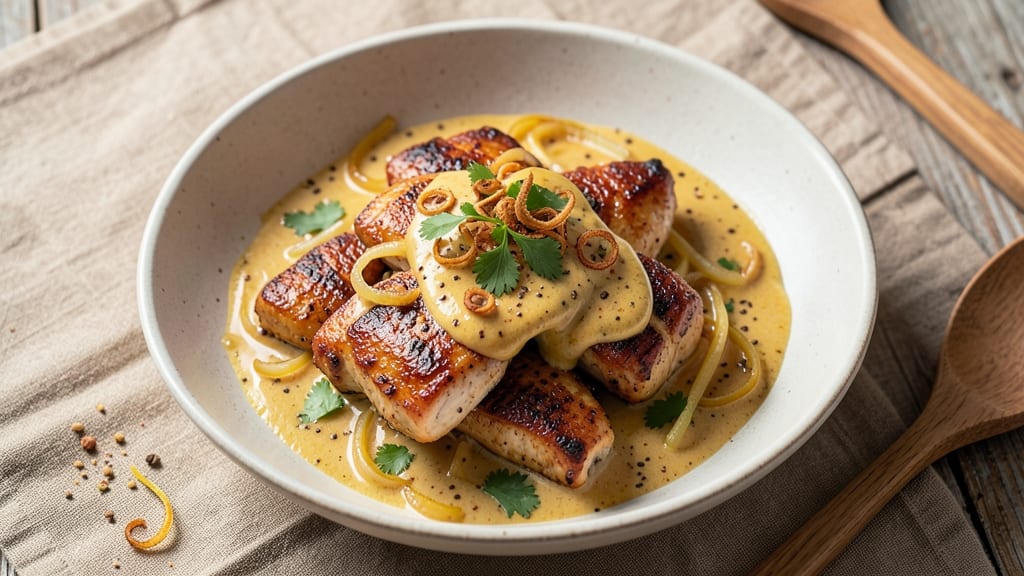
This bachelor chicken curry recipe delivers the kind of slow-simmered, spice-infused richness that transforms a simple weeknight into a flavor-packed feast. The secret lies in layering aromatic spices with tender chicken and creamy coconut milk, creating a dish that's both comforting and deeply satisfying. I've perfected this version through years of testing—balancing heat, depth, and texture for a curry that's restaurant-quality at home.
The magic begins with a well-developed spice blend—cumin, coriander, and garam masala—that infuses the chicken with warmth before it simmers in coconut milk until falling-apart tender. This method ensures every bite delivers that perfect harmony of spicy, sweet, and savory notes.
The slow cooking process also allows the flavors to meld beautifully, creating a sauce that's rich yet balanced, with just the right amount of heat to linger.
What you'll end up with is a dish that pairs perfectly with steamed basmati rice or warm naan, making it ideal for family dinners or gatherings. The curry's versatility means you can adjust the spice level to suit your taste—whether you prefer a gentle warmth or a fiery kick.
Each spoonful is packed with layers of flavor, from the earthy spices to the creamy coconut base, ensuring this becomes your go-to recipe for hearty, satisfying meals.
Ready in about 1 hour 15 minutes with minimal hands-on time, this curry is designed for home cooks who want restaurant-quality results without the fuss. The technique is straightforward, but the flavor payoff is extraordinary—proof that great food doesn't require complicated methods, just patience and the right ingredients.
Ingredients for bachelor chicken curry
Nine spices, tender chicken, and creamy coconut milk—this curry delivers restaurant-quality flavor with minimal effort.
| Ingredient | Amount | Notes |
|---|---|---|
| Boneless Chicken Thighs 🍗 | 1 ½ lb | Trimmed of excess fat |
| Coconut Milk 🥥 | 1 can | Full-fat, 13.5 oz can |
| Yellow Onion 🧅 | 1 whole | Diced, medium size |
| Garlic Cloves 🧄 | 6 cloves | Minced, fresh preferred |
| Fresh Ginger 🌿 | 2 tbsp | Grated, peeled root |
| Ground Cumin 🌿 | 1 tbsp | Toasted for depth |
| Ground Coriander 🌿 | 1 tbsp | Freshly ground preferred |
| Garam Masala 🌶️ | 1 tbsp | Store-bought blend works |
| Turmeric Powder 🌶️ | ½ tsp | Bright yellow color |
| Cayenne Pepper 🔥 | ½ tsp | Adjust for heat |
| Tomato Paste 🍅 | 2 tbsp | Smooth, not chunky |
| Vegetable Oil 🫒 | 2 tbsp | Neutral flavor preferred |
| Salt 🧂 | 1 ½ tsp | Kosher or sea salt |
| Black Pepper 🌶️ | ½ tsp | Freshly ground |
| Fresh Cilantro 🌿 | ¼ cup | Chopped, stems removed |
The chicken thighs are the star here—bone-in if you can find them, but boneless works too. Costco or Trader Joe's often have great deals on chicken thighs, and they stay juicier during the long simmer. Look for thighs with good marbling—they'll stay tender while the spices infuse. For the coconut milk, full-fat is non-negotiable—it gives that rich, velvety texture. I always grab the Aroy-D brand cans from the Asian market section—they're the most flavorful. Fresh ginger and garlic? Buy extra—you'll want some for garnish at the end too.
No fresh ginger? Powdered works at half the amount, but it's not the same. Short on garam masala? Mix cumin, coriander, cinnamon, and cardamom in equal parts—it's a decent stand-in. Cayenne too spicy? Swap for smoked paprika or reduce to 1/4 tsp. The tomato paste can be the squeeze-tube kind from Trader Joe's—no waste, and it keeps forever. For the cilantro, dried won't work—the fresh herb adds that bright finish that makes the whole dish sing. And if you're worried about the chicken drying out, don't be—the coconut milk keeps it moist.
This curry tastes even better the next day—make extra if you can. Keeps in the fridge for 4-5 days sealed tight, or freeze portions for 3 months. I like to portion it into containers with rice so I have ready-made meals for the week. The spices lose potency after opening, so transfer them to airtight containers once you crack the jars. And if you're serving with naan, warm it in a dry skillet for 30 seconds on each side—crispy naan makes all the difference.
Why You'll Love This Recipe
- One-Pot Magic: I swear by this recipe when I’m too tired to scrub pots—just brown the chicken, toss in the onions, garlic, and ginger, then let the coconut milk do its creamy work. No extra bowls, no stress.
- Rich Without Effort: That first spoonful of coconut milk simmered with ginger and garlic? It’s like a hug in a bowl. The chicken stays juicy while the sauce gets velvety—no fancy techniques, just layers of flavor.
- Leftovers That Don’t Lie: This curry actually tastes better the next day. I make a double batch on Sundays, freeze half, and reheat it straight from the fridge—still rich, still satisfying, zero guesswork.
- Budget-Friendly Crowd-Pleaser: Chicken thighs stretch further than breasts, and coconut milk adds depth without breaking the bank. Feed four for dinner, or pack it for lunches—everyone wins, and so does your wallet.
Step-by-step instructions for bachelor chicken curry
Here's how to create a deeply flavorful curry that simmers into perfect richness.
Sear the Chicken for Maximum Flavor
Heat the 2 tablespoons vegetable oil in a heavy pot over medium-high heat until shimmering. Pat the 1.5 pounds boneless chicken thighs completely dry with paper towels—this ensures a proper sear. Working in batches if needed, add the chicken to the pot and cook undisturbed for 4-5 minutes per side until deeply golden brown and cooked through to 165°F internally.
Don't rush this step. The caramelization creates the foundation for your curry's depth. Once the chicken is browned and cooked, remove it from the pot and set aside on a plate. You'll notice the pot has a beautiful browned crust—this is called the "fond," and we'll scrape it up later to capture all that flavor.
Build the Spice Base
In the same pot (no need to clean it), reduce the heat to medium and add the 1 whole diced yellow onion. Cook for 5-6 minutes until softened and golden around the edges. Add the 6 minced garlic cloves and 2 tablespoons grated fresh ginger, cooking for another 1-2 minutes until fragrant and slightly golden.
Now add the 2 tablespoons tomato paste and stir to coat the bottom of the pot, scraping up those browned bits. This creates a rich, concentrated base. Sprinkle in the 1 tablespoon ground cumin, 1 tablespoon ground coriander, 0.5 teaspoon turmeric powder, and 0.5 teaspoon cayenne pepper. Stir continuously for 30 seconds until the spices release their aromas and the mixture smells intensely spicy and earthy.
Simmer the Curry to Perfection
Pour in the 1 can coconut milk and add 1.5 teaspoons salt and 0.5 teaspoon black pepper. Return the chicken to the pot, along with any accumulated juices. Bring the mixture to a gentle simmer over medium-low heat, then reduce to the lowest setting possible while maintaining a barely perceptible bubble. Cover the pot and let it cook for 45-50 minutes, stirring occasionally.
Here's the thing—this slow simmer is where the magic happens. The coconut milk will thicken slightly and develop a velvety texture. You'll know it's ready when the chicken is fork-tender and the sauce has reduced enough to coat the back of a spoon. If the sauce looks too thin, uncover and simmer for another 5-10 minutes to thicken it properly.
Finish with Fresh Herbs
Once the curry is fully cooked, remove the pot from heat and stir in the 0.25 cup chopped fresh cilantro. Let the curry sit covered for 5 minutes to allow the flavors to meld completely. Taste and adjust the seasoning if needed—you might want to add a pinch more salt or cayenne for heat.
This resting period is crucial. It lets the spices fully infuse and the flavors come together. The cilantro adds a bright, fresh contrast to the rich, spiced coconut sauce. Serve immediately over steamed basmati rice or with warm naan bread to soak up every last bit of that delicious sauce.
Pro Tips For Making Bachelor Chicken Curry
- Brown the Thighs First: Skip the rushed sear—pat those chicken thighs completely dry, then cook them in batches over medium-high heat for 5-6 minutes per side until golden. I used to toss them in straight away with the onions, and the curry always tasted flat. That crust? It’s what carries the spice flavors through the coconut milk.
- Grate That Ginger: Skip the mincer—use a microplane or the side of a knife to grate fresh ginger directly into the pan while cooking. It releases oils faster and blends smoother than pre-grated ginger (which oxidizes and tastes dull). Yes, it’s a little messy, but your curry will thank you.
- Simmer, Don’t Boil: After adding coconut milk, drop the heat to low and let it bubble gently—not a rolling boil. I learned this after scorching three batches; the milk breaks and curdles when it gets too aggressive. A steady simmer keeps the sauce creamy and the chicken tender.
- Salt the Onions Early: Toss your sliced onions with a pinch of salt before cooking—it draws out moisture and makes them caramelize faster. I was skeptical until I tried it; now, my onions add depth instead of just a bland base. (Pro move: Use a mix of thin slices and chunks for texture.)
Pro cooking tips for bachelor chicken curry
Sear for Depth
That initial sear is everything—don’t skip it! Pat the chicken thighs completely dry with paper towels before cooking, and use medium-high heat until you get deep golden-brown crusts. I swear by a heavy-bottomed Dutch oven like the Le Creuset—it distributes heat evenly and prevents burning.
The caramelized fond at the bottom? That’s where all the flavor lives, so scrape it up when you add the spices. 🔥
Spice Toasting Trick
Toast your ground cumin and coriander in the pot for 30 seconds before adding other ingredients—this wakes up their aromas and adds a nutty depth. I like to use Penzeys Spices for their bold, fresh-ground blends.
If you’re short on time, a quick pulse in a spice grinder works too. Just don’t let them burn—keep the heat at medium and stir constantly.
Low-and-Slow Simmer
The 45-50 minute simmer is non-negotiable for tender chicken and rich sauce. Use the lowest heat setting that keeps a barely perceptible bubble—this prevents curdling the coconut milk. I’ve ruined curries by boiling them too vigorously, so trust the thermometer if you have one.
Aim for 195-200°F internal temp for the chicken. Cover the pot with a tight lid to trap steam and enhance flavors.
Coconut Milk Secrets
Full-fat coconut milk is a must—Aroy-D brand from the Asian market is my go-to for its rich, creamy texture. If you’re using light coconut milk, mix it with 2 tablespoons heavy cream to prevent separation. Stir the curry occasionally during simmering to distribute heat evenly.
Pro tip: If the sauce looks too thin after simmering, uncover and cook for another 5-10 minutes—the moisture will evaporate, and the sauce will thicken beautifully.
Fresh Cilantro Finish
Add the cilantro at the very end—it wilts slightly in the hot curry, releasing its bright, citrusy notes. I like to chop it coarse and leave some stems for extra texture.
Let the curry rest covered for 5 minutes after adding cilantro—this lets the flavors meld and the spices settle. Taste and adjust seasoning: a pinch of salt or cayenne can elevate the dish to restaurant-quality perfection. 🌿
Equipment Upgrades
Invest in a good-quality pot lid—I use a stainless steel one with a tight seal to lock in moisture. A wooden spoon prevents scratching the pot and helps scrape up flavorful bits. For extra insurance, place a towel under the pot to prevent hot spots on your stovetop.
And if you’re feeling fancy, a thermometer probe ensures perfect doneness without overcooking. Trust me, these small upgrades make a world of difference. ⚡
Nutrition facts
Frequently asked questions
Can I use chicken breast instead of thighs for this curry?
While you can use chicken breast, thighs are ideal because they stay juicier during the long simmer. If using breast, cut them into 1-inch pieces and marinate in 1 tablespoon yogurt for 20 minutes before cooking to prevent drying. The cooking time remains the same, but check for doneness at 165°F earlier, around 35-40 minutes.
How can I make this curry less spicy?
Reduce the cayenne pepper to 1/4 teaspoon or swap it entirely for smoked paprika. For a milder version, add 1/2 cup plain yogurt during the final 5 minutes of simmering to cool the heat. Taste as you go—you can always add more salt or a pinch of sugar to balance flavors.
What’s the best way to reheat leftover curry?
Reheat gently on the stovetop over low heat with a splash of water or coconut milk to prevent drying. Stir occasionally and simmer for 5-7 minutes until warmed through. Avoid microwaving—it can make the sauce watery. For extra richness, add a pat of butter or 1 tablespoon cream at the end.
Can I substitute coconut milk with something else?
For a dairy-free option, use 1 cup heavy cream + 1/2 cup water, but the texture will be lighter. For a vegan version, blend 1 cup silken tofu + 1/2 cup water and strain through a cheesecloth. Traditionalists swear by coconut milk—its natural fats create that signature velvety sauce.
Why did my curry separate into oil and water?
This happens when coconut milk curdles from high heat or rapid boiling. Next time, maintain a gentle simmer (barely bubbling) and avoid stirring vigorously. If it happens, whisk in 1 tablespoon cornstarch mixed with 2 tablespoons water and simmer for 2 minutes to restore creaminess.