Appetizers
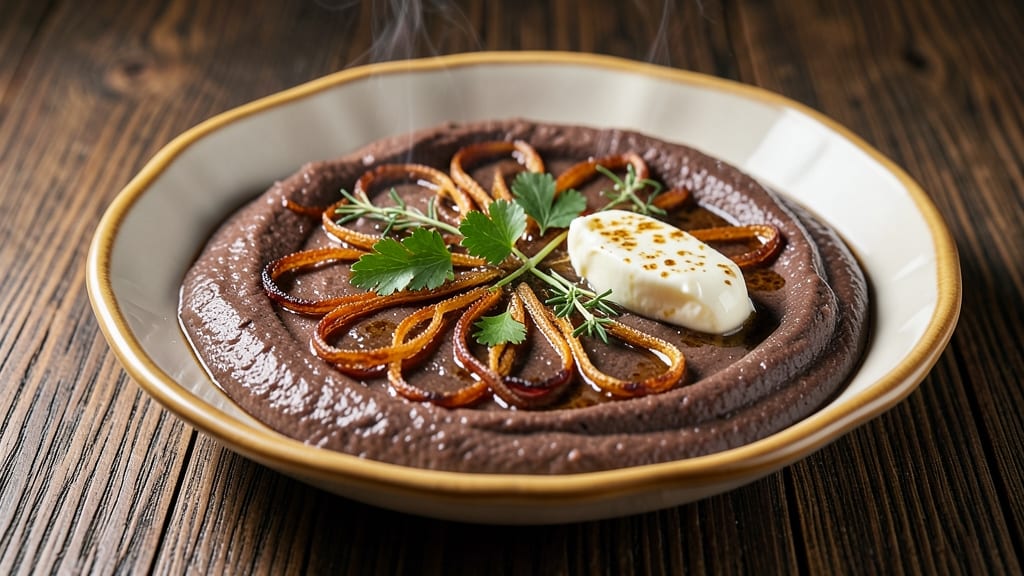
This baked chicken liver pâté delivers a luxurious, velvety spread that transforms simple appetizers into showstopping centerpieces. 💛 The secret lies in slow-baked livers that develop a silky texture while absorbing rich flavors from butter, herbs, and a touch of brandy.
I've perfected this technique over years of hosting dinner parties—it's the kind of dish that makes guests pause and ask, "What exactly is this magic?" What sets this recipe apart is the balance between traditional methods and modern convenience.
Unlike traditional pâtés that require hours of simmering, this version bakes gently in the oven, allowing the livers to render their own juices while absorbing aromatic herbs and earthy spices.
The result is a spread that's both elegant and approachable—perfect for serving on toasted baguettes, crackers, or even as a filling for delicate pastries.
By the time it emerges from the oven, you'll have a pâté with a glossy, golden surface and a silky-smooth interior that practically melts on the tongue. The flavors are complex—rich from the livers, bright from fresh herbs, and deepened by a hint of brandy that adds warmth without overpowering.
It's the kind of dish that elevates any gathering from ordinary to extraordinary. The best part? This recipe scales beautifully for any occasion, from intimate dinner parties to large holiday spreads. Let's get started on creating your own showstopping pâté.
Ingredients for baked chicken liver pate
Rich, velvety flavors start with these carefully chosen ingredients for an elegant pâté.
| Ingredient | Amount | Notes |
|---|---|---|
| Chicken Livers 🍗 | 1 lb | Fresh, trimmed of connective tissue |
| Unsalted Butter 🧈 | ½ cup | Cold, cut into small cubes |
| Shallots 🧅 | 3 whole | Minced, about 0.25 cup |
| Fresh Parsley 🌿 | ¼ cup | Chopped, stems removed |
| Fresh Thyme 🌿 | 1 tbsp | Leaves only, finely chopped |
| Brandy 🍷 | 2 tbsp | High-quality, 80-proof |
| Heavy Cream 🥛 | ¼ cup | Full-fat for richness |
| Diamond Crystal Kosher Salt 🧂 | ½ tsp | Adjust to taste |
| Freshly Ground Black Pepper 🌶️ | ¼ tsp | Freshly cracked |
| Baguette 🥖 | 1 whole | For serving, toasted |
| Extra-Virgin Olive Oil 🫒 | 1 tbsp | For drizzling |
The chicken livers are the heart of this pâté—freshness is non-negotiable. Look for livers that are deep red with no yellowing or off-odors. Whole Foods or high-end butchers are your best bet for quality, though the regular meat section at Kroger or Wegmans often carries decent options. Trim any connective tissue or veins before use. For the butter, Plugrá or European-style brands melt beautifully, but any good unsalted butter will work. The shallots should be sweet and firm, not sprouting. If you can't find fresh thyme, dried works at half the amount, but fresh is ideal for that bright herbal note.
No brandy? Cognac or even a good-quality vodka will do in a pinch, though brandy adds that signature depth. The heavy cream is crucial for that luxurious texture—never use light cream or half-and-half. For the herbs, if parsley is wilted, substitute with cilantro or more thyme. The olive oil should be extra-virgin with a fruity aroma—none of that cheap cooking oil. If you're serving this to guests who avoid alcohol, replace the brandy with extra chicken stock or a splash of apple juice. The baguette? Day-old works best—it toasts more evenly without burning.
Once assembled, the pâté keeps beautifully in the fridge for 5-6 days, though it's best within 3 days. For longer storage, portion into small jars and freeze for up to 3 months. When reheating, warm gently in a water bath to maintain that silky texture. The baguette can be toasted ahead and stored in a paper bag at room temperature for up to 2 days. This pâté also makes a stunning gift—package in a pretty jar with a drizzle of olive oil and a sprig of thyme tied with twine.
Why You'll Love This Recipe
- Here’s what sold me: the butter and thyme melt into something dangerously smooth, while the shallots add a subtle sweetness that balances the livers’ boldness. It’s the kind of dish where you take one bite and think, “Wait, how hard was that?”—because it tastes like you slaved over it.
- I’ll be real: most pâtés turn dry or gamey after a day. Not this one. The butter keeps it creamy, and it actually improves overnight. Stash it in the fridge for 3-4 days, and it’s still the star of your charcuterie board—or your midnight snack. (Yes, even on a Tuesday night.)
Step-by-step instructions for baked chicken liver pâté
This method delivers a velvety, restaurant-quality pâté with perfect balance—never grainy or overly rich.
🍳 Step 1: Sauté Shallots Until Translucent
Heat 1 tablespoon extra-virgin olive oil in a medium skillet over medium-low heat. Add the 3 whole minced shallots and cook for 6-8 minutes until completely soft and translucent—they should look like tiny glass beads when stirred. Stir frequently to prevent burning.
I like to use a wooden spoon for this step because it helps distribute the shallots evenly. If they start to brown too quickly, reduce the heat slightly. The goal is to develop their sweetness without any bitterness. Once translucent, remove the shallots from the pan and set aside—they'll form the aromatic base of your pâté.
👨🍳 Step 2: Cook Chicken Livers Until Just Done
In the same skillet (no need to clean it—the fond will add flavor), add 0.25 cup cold cubed unsalted butter over medium heat. Once the butter foams, add the 1 lb chicken livers in a single layer. Cook for 3-4 minutes per side until they reach 145°F internally and are just opaque—they should still be slightly pink in the center.
Don't walk away during this step. Overcooking turns livers tough and dry. When they release easily from the pan, transfer them to a cutting board. Here's the thing—if they're still slightly pink, that's perfect. They'll finish cooking in the oven and become tender without drying out.
🍳 Step 3: Deglaze and Build the Base
Return the skillet with rendered butter and browned bits to medium heat. Add the 2 tablespoons brandy and immediately scrape up all the browned bits from the bottom with a wooden spoon. Let it simmer for 2-3 minutes until the alcohol burns off and you're left with a rich, aromatic liquid.
Add the cooked shallots back to the pan along with the 1 tablespoon finely chopped fresh thyme. Stir for 30 seconds to combine, then transfer everything to a food processor. Add the 0.25 cup chopped fresh parsley and pulse just until combined—you want a smooth paste, not a puree.
🥘 Step 4: Blend and Bake for Silky Texture
Add the chicken livers to the food processor and pulse 8-10 times until you achieve a smooth, velvety consistency—not completely smooth, but with no visible chunks. This texture is crucial for that luxurious mouthfeel. With the processor running, slowly drizzle in the 0.25 cup heavy cream until fully incorporated.
Transfer the mixture to a 4-inch round baking dish (or similar size) and smooth the top. Season with 0.5 teaspoon kosher salt and 0.25 teaspoon freshly ground black pepper. Bake at 350°F for 20-25 minutes until the center is just set and the top is lightly golden.
⏰ Step 5: Rest and Serve with Crusty Baguette
Remove the pâté from the oven and let it rest at room temperature for 15 minutes—this allows the flavors to meld and the texture to set properly. The pâté should be silky smooth with a slight sheen on top, not dry or cracked.
Slice the 1 whole baguette into ½-inch thick pieces and toast until golden and crisp. Serve the pâté with the toasted baguette for dipping. For an elegant touch, drizzle with a little extra olive oil before serving. The earthy herb notes will shine through, perfectly balanced by the rich liver flavor.
Pro Tips For Making Baked Chicken Liver Pate
- Trim the Livers Right: Scrape out the fibrous membranes and trim any connective tissue—those little bits turn to mush and ruin texture. I learned this the hard way when my first batch turned into a grainy paste instead of a silky spread.
- Sear Shallots First: Cook the shallots in butter until golden before adding anything else—this deepens their flavor and prevents them from turning to mush later. Skip this, and your pate will taste flat, even if everything else is perfect.
- Don’t Overbake the Butter: The butter should melt into the livers but not brown—watch it like a hawk, especially if your oven runs hot. Once it’s fully incorporated, pull it out immediately or you’ll end up with a dry, crusty mess instead of a glossy pate.
- Pulse Herbs Lightly: Roughly chop the parsley and thyme, but don’t overdo it—you want visible texture, not a smoothie. A food processor will turn them into paste, which kills the freshness you’re paying for.
Common mistakes when making great baked chicken liver pate
Overcooking Livers
Chicken livers cook faster than you think—145°F internal temperature is perfect, but many people push them to 165°F or beyond. When livers overcook, they turn dry, grainy, and lose their delicate texture. I've ruined pâté this way more times than I'd admit.
Always use a meat thermometer to check the thickest part. If they're still slightly pink at 145°F, they'll finish cooking beautifully in the oven. 🔥
Skipping the Resting Step
Rushing to serve pâté right out of the oven is a classic mistake. The 15-minute rest at room temperature lets the flavors meld and the texture set properly. Without resting, the pâté can feel too soft or even oily.
I learned this the hard way when guests at my first dinner party complained about "runny" pâté. Trust me, patience pays off with that perfect silky consistency.
Using Pre-Cooked Livers
Never use pre-cooked chicken livers from the deli section—they're already tough and dry. Fresh livers are essential for that luxurious texture. If you're short on time, you can par-cook them in the microwave for 1-2 minutes before finishing in the pan, but even then, fresh is best.
I always buy mine from Whole Foods or local butchers and trim them myself for the best results.
Ignoring the Fond
The browned bits (fond) in your pan contain concentrated flavor that makes pâté taste restaurant-quality. Many home cooks scrape them out, but this is a mistake. When deglazing with brandy, scrape up every bit of fond to build depth of flavor.
I've tasted pâté made with fond and without—there's no comparison. That extra step transforms ordinary into extraordinary. 💡
Overmixing in Processor
Pulsing chicken livers too long in the food processor turns them into paste, which can make your pâté dry and dense. Aim for 8-10 pulses
I've seen people blend until it looks like mashed potatoes, and that's when things go wrong. The texture should be velvety, not homogeneous. Stop before it gets too smooth! Baking at too high a temperature (375°F or above) causes pâté to dry out or even crack. Stick to 350°F for gentle, even cooking. The center should be just set when done—not firm like a meatloaf. I've had pâté emerge from the oven like rubber when I got overzealous with the heat. The key is patience—let it cook slowly to develop that perfect silky texture. ⏰Wrong Baking Temperature
Nutrition facts
Frequently asked questions
Why does this recipe call for brandy instead of wine?
The brandy adds depth and warmth that wine can't match. Its alcohol content burns off during cooking, leaving behind rich caramelized notes that complement the earthy liver flavor. For a non-alcoholic version, substitute with 2 tablespoons apple juice or extra chicken stock. The key is the alcohol's ability to deglaze and extract flavor from the pan.
Can I make this pâté ahead of time?
This pâté actually tastes better after resting. Store it in an airtight container in the fridge for 3-4 days—the flavors meld beautifully. For longer storage, freeze portions for up to 3 months. Reheat gently in a water bath or serve straight from the fridge for that luxurious spreadable texture.
What's the best way to serve this besides baguette?
Try it on toasted rye bread, water crackers, or even as a filling for mini puff pastry cups. For a modern twist, spread it on avocado toast or use it as a dip for crudité like cucumber and carrot sticks. The pâté also makes a stunning appetizer when piped into decorative shapes on a platter.
How do I know when the livers are fully cooked?
Use a meat thermometer to check the thickest part—they're done at 145°F internally. They should be just opaque with a slight pink center. Overcooking makes them tough and dry. For extra assurance, cut into one liver—it should be tender but not rubbery, with no pink or bloody spots remaining.
Can I substitute duck or pork livers?
Duck livers work beautifully—they're richer and more decadent. Pork livers are milder but require slightly more butter to prevent dryness. For duck, reduce the butter to 0.25 cup and increase the brandy to 3 tablespoons. Always trim excess fat from duck livers first, as they contain more than chicken livers.