Main Courses
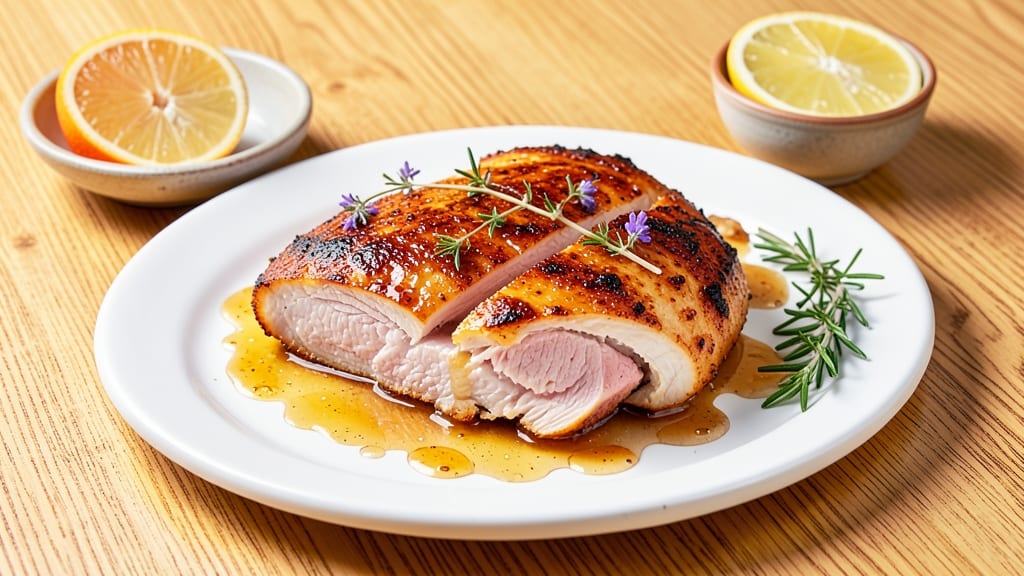
This baked honey lemon chicken breast recipe delivers tender, juicy chicken with a bright citrus glaze that balances sweet and tangy flavors perfectly. The secret lies in marinating the chicken first—this ensures maximum moisture and flavor penetration, preventing dryness even when baked.
Professional chefs know that proper prep transforms simple ingredients into restaurant-quality results.
The recipe begins with a straightforward marinade of honey, lemon juice, and aromatic herbs, which tenderizes the chicken while infusing it with vibrant flavor. Baking at a precise temperature of 375°F for about 25 minutes guarantees perfectly cooked chicken with a caramelized glaze that locks in all those juices.
This method eliminates guesswork, making it ideal for weeknight dinners or meal prep.
What you’ll end up with is succulent chicken that stays moist and flavorful, topped with a glossy, slightly sticky glaze that adds depth to every bite. The bright citrus notes cut through the richness, creating a harmonious balance that’s both refreshing and satisfying.
This dish pairs beautifully with roasted vegetables or a simple salad, making it a complete meal solution.
Whether you're cooking for a family dinner or preparing a healthy weeknight meal, this recipe delivers consistent, professional results with minimal effort. The key is patience—letting the marinade work its magic and baking at the right temperature ensures perfect chicken every time.
Let’s get started on creating this flavorful, moist dish!
Ingredients for baked honey lemon chicken breast
Eleven ingredients transform simple chicken into restaurant-quality citrus-glazed perfection with minimal effort.
| Ingredient | Amount | Notes |
|---|---|---|
| Boneless, Skinless Chicken Breast 🍗 | 1 ½ lb | Pounded to even thickness |
| Raw Honey 🍯 | ½ cup | Wildflower or clover variety |
| Fresh Lemon Juice 🍋 | ¼ cup | From 2-3 medium lemons |
| Extra-Virgin Olive Oil 🫒 | 2 tbsp | For glaze and marinade |
| Fresh Rosemary 🌿 | ¼ cup | Finely chopped, fresh preferred |
| Fresh Thyme Leaves 🌿 | 1 tbsp | Or 1 tsp dried thyme |
| Garlic Cloves 🧄 | 4 cloves | Minced for marinade |
| Diamond Crystal Kosher Salt 🧂 | 1 ½ tsp | For seasoning and marinade |
| Freshly Ground Black Pepper 🌶️ | ½ tsp | Cracked peppercorns preferred |
| Cornstarch 🌾 | 1 tbsp | For glaze thickening |
| Zest from 1 Lemon 🍋 | 1 tbsp | Fine yellow zest only |
The chicken breasts are the foundation—look for uniform size to ensure even cooking. Trader Joe's or Whole Foods carry high-quality boneless, skinless cuts, but any reputable grocery store's fresh poultry section will work. Pounding the breasts to even 1/2-inch thickness guarantees consistent doneness. For extra tenderness, let the chicken sit at room temperature for 20 minutes before marinating. The honey should be raw and unprocessed—local varieties add subtle floral notes that enhance the citrus glaze. Fresh herbs elevate this dish; Penzeys Spices sells excellent dried alternatives if fresh isn't available.
No fresh rosemary? Dried works at half the amount, but the flavor will be less vibrant. Substitute orange juice for lemon juice if you prefer (adjust honey slightly to balance sweetness). For a gluten-free option, omit the cornstarch and simply reduce the honey-lemon mixture on the stovetop until thickened. The olive oil matters here—use a fruity, extra-virgin variety like California Olive Ranch or Bertolli. If your garlic smells bitter, it's past its prime—replace it. The lemon zest should be bright yellow, not white or dull. For meal prep, marinate the chicken up to 24 hours ahead**—the longer it sits, the more flavorful it becomes.
Marinated chicken keeps covered in the fridge for 2 days before baking. For longer storage, freeze the raw, marinated chicken for up to 3 months—thaw overnight in the fridge before baking. The baked chicken reheats beautifully: cover with foil and warm at 350°F for 10 minutes. The glaze can be made ahead and reheated separately if needed. Store leftovers in an airtight container with a paper towel to absorb moisture. This dish pairs perfectly with roasted asparagus or a simple arugula salad—both complement the citrus notes without overpowering them.
Why You'll Love This Recipe
- Five-Ingredient Magic: I swear by this combo—just chicken, honey, lemon, olive oil, and rosemary. That’s it. No hidden spices, no confusing ratios, just pure, bright flavors that come together without fuss.
- Juicy Without Dryness: The honey and lemon work together to keep the chicken impossibly tender, even when baked. No more sad, rubbery breasts—just that perfect balance of crispy edges and melt-in-your-mouth center.
- Meal Prep MVP: Between us, this is my go-to for lunches all week. Bake a big batch on Sunday, slice it up, and toss it into salads, wraps, or even over rice. Honestly, it tastes just as good cold as it does hot.
- Budget-Friendly Luxury: Chicken breast gets a bad rap for being boring or expensive, but this recipe proves it’s neither. The honey and lemon make it feel fancy, yet the ingredients won’t break the bank—especially when you’re stretching it into multiple meals.
Step-by-step instructions for baked honey lemon chicken breast
This method delivers perfectly moist chicken with a glossy, caramelized glaze every time.
Prepare the Chicken and Marinade
Begin by placing the 1.5 lb boneless, skinless chicken breast between two sheets of plastic wrap. Using a meat mallet, pound it to an even ½-inch thickness throughout. This ensures even cooking and prevents dry spots in the center. The chicken should now be uniform in thickness—about the same size as your palm.
In a small bowl, whisk together the 0.5 cup raw honey, 0.25 cup fresh lemon juice, 2 tbsp extra-virgin olive oil, 1 tbsp zest from 1 lemon, 1.5 tsp kosher salt, and 0.5 tsp freshly ground black pepper. The mixture should be smooth and well combined. This marinade will infuse the chicken with bright citrus notes while keeping it impossibly tender.
Marinate and Preheat
Place the pounded chicken in a resealable plastic bag and pour the marinade over it. Seal the bag and massage the marinade into the chicken, ensuring it's fully coated. Let it marinate in the refrigerator for at least 30 minutes—this allows the flavors to penetrate deeply. For best results, marinate for up to 4 hours, though even 30 minutes will make a noticeable difference.
While the chicken marinates, preheat your oven to 375°F. Position an oven rack in the center of the oven for even heat distribution. This temperature is crucial—it's high enough to create a caramelized glaze but gentle enough to prevent drying out the chicken.
Bake the Chicken
Remove the chicken from the marinade (reserve the marinade for basting) and place it on a parchment-lined baking sheet. Pour the reserved marinade into a small saucepan and place it on the stovetop over medium heat. Stir in the 1 tbsp cornstarch and 0.25 cup finely chopped fresh rosemary, then bring to a gentle simmer for 3-4 minutes until the glaze thickens slightly. You'll know it's ready when it coats the back of a spoon.
Transfer the chicken to the preheated oven and bake for 20-25 minutes until the internal temperature reaches 165°F and the edges are golden brown. Every 5 minutes, spoon the reduced glaze over the chicken to keep it moist and enhance browning. The glaze should form a sticky, caramelized crust that locks in juices.
Rest and Garnish
Once the chicken reaches 165°F and the glaze is beautifully caramelized, remove it from the oven and transfer to a cutting board. Tent loosely with aluminum foil and let it rest for 5-10 minutes. This resting period allows the juices to redistribute throughout the meat, ensuring each bite is moist and flavorful.
While the chicken rests, minced the 4 cloves garlic and 1 tbsp fresh thyme leaves and mix them into the remaining glaze. Spoon this final garnish over the chicken before serving. The result should be tender, juicy chicken with a glossy, sweet-tart glaze that balances perfectly with the herbed finish.
Pro Tips For Making Baked Honey Lemon Chicken Breast
- BRINE THE CHICKEN FIRST: I learned this the hard way—dry, rubbery chicken ruins the honey-lemon magic. Toss the breasts in 1 cup warm water, 1 tbsp salt, and 1 tbsp honey for 20 minutes. The salt and honey combo keeps them juicy while letting the marinade stick better.
- USE THICK HONEY, NOT RUNNY: That cheap, watery honey will pool at the bottom instead of caramelizing. Grab a jar labeled "thick" or "comb" honey—it clings to the chicken and turns golden instead of steaming off. If yours is thin, warm it gently in a saucepan until it coats the back of a spoon.
- DON’T OVERCROWD THE PAN: I used to cram three breasts in a single sheet pan, thinking they’d cook faster. Wrong. They steam instead of brown, and the sauce turns soggy. Space them 1 inch apart—yes, it means two batches, but the crust will be worth it.
- SEAR THE BREASTS BEFORE BAKE: Skip the slow bake and start with 2 minutes in a screaming-hot skillet with olive oil. The Maillard reaction kicks in, giving the honey a deeper flavor and a better grip. Just don’t walk away—burnt honey is a disaster.
Troubleshooting this dish
Dry Chicken Fix
If your chicken turns out dry, the issue likely stems from overcooking or insufficient marinating time. First, check your internal temperature—it should never exceed 165°F. If you're unsure, use an instant-read thermometer like the Thermoworks ThermoPop.
For future batches, marinate the chicken for at least 2 hours (overnight is ideal) to maximize moisture retention. Also, avoid cutting into the chicken immediately after baking—always let it rest for 5-10 minutes before slicing. 💡
Uneven Glaze
An uneven glaze usually means the marinade wasn’t evenly distributed or the oven temperature fluctuated. To fix this, ensure your chicken is pounded to an even ½-inch thickness before marinating. When baking, spoon the reserved glaze over the chicken every 5 minutes to distribute it evenly.
If the glaze is too runny, simmer it longer with the 1 tbsp cornstarch until it thickens to a syrupy consistency. For extra shine, brush the chicken with a little extra olive oil before baking. ✨
Overly Sweet Glaze
The honey-lemon balance might be off if the glaze tastes too sweet. To adjust, add 1-2 tbsp fresh lemon juice to the glaze while it’s still warm on the stovetop.
If the chicken itself tastes sweet, reduce the honey in the marinade to ¼ cup next time and increase the lemon juice to ⅓ cup. A pinch of kosher salt can also help balance the sweetness.
For a tangier finish, garnish with extra lemon zest or a sprinkle of red pepper flakes. 🍋
Undercooked Center
An undercooked center happens when the chicken isn’t thick enough or the oven temperature isn’t consistent. Double-check that your chicken is pounded to ½-inch thickness and use an oven thermometer to confirm your oven is at 375°F.
If the center is still cool at 165°F, return it to the oven for 5-10 more minutes, basting with the glaze. For thicker cuts, consider baking at 350°F for a longer time to ensure even cooking. 🌡️
Burnt Edges
Burnt edges are often caused by baking at too high a temperature or placing the chicken too close to the oven rack. Lower the oven temperature to 350°F and position the rack in the middle of the oven.
If the edges are already browned but the center is undercooked, tent the chicken loosely with aluminum foil and bake for an additional 5-10 minutes. For a smoother finish, brush the chicken with a thin layer of olive oil before baking to create a protective barrier. 🔥
Nutrition facts
Frequently asked questions about honey lemon baked chicken
Can I use this recipe with bone-in chicken thighs instead?
Bone-in thighs stay juicier during baking, and the extra fat helps balance the citrus flavors. Increase baking time to 35-40 minutes at 375°F until the internal temperature reaches 175°F. Reduce the honey to ¼ cup to prevent excessive sweetness from the rendered fat.
How do I adjust this recipe for meal prep?
Marinate the chicken overnight for maximum flavor penetration. Bake as directed, then cool completely before storing in an airtight container with parchment paper between layers. Reheat covered at 350°F for 10-15 minutes—the glaze may need a quick reheat with 1 tsp water to restore shine. Store leftovers for up to 4 days or freeze for 3 months.
What herbs can I substitute if I don't have rosemary or thyme?
For rosemary, try 1 tbsp fresh oregano or 1 tsp dried—it adds earthy depth. Thyme can be swapped with 1 tsp dried marjoram or 1 tbsp fresh basil for a brighter profile. If you're out of both, 1 tsp dried savory works surprisingly well. Always adjust salt accordingly since dried herbs are more concentrated.
Can I make this recipe without cornstarch for the glaze?
Yes! For a gluten-free version, simply reduce the honey-lemon mixture on the stovetop until it thickens to a syrupy consistency (about 5-7 minutes of simmering). Alternatively, use 1 tbsp arrowroot powder mixed with 1 tbsp water as a 1:1 cornstarch substitute. The glaze will be slightly less glossy but equally delicious.
What's the best way to serve this chicken for a special dinner?
Slice the chicken against the grain for tender bites, then arrange on a platter with lemon wedges and fresh herbs. Pair with truffle mashed potatoes or roasted Brussels sprouts to complement the citrus notes. For an elegant touch, drizzle extra glaze over the dish and garnish with edible flowers or toasted pine nuts. Serve with a crisp Sauvignon Blanc to cut through the honey's sweetness.