Main Courses
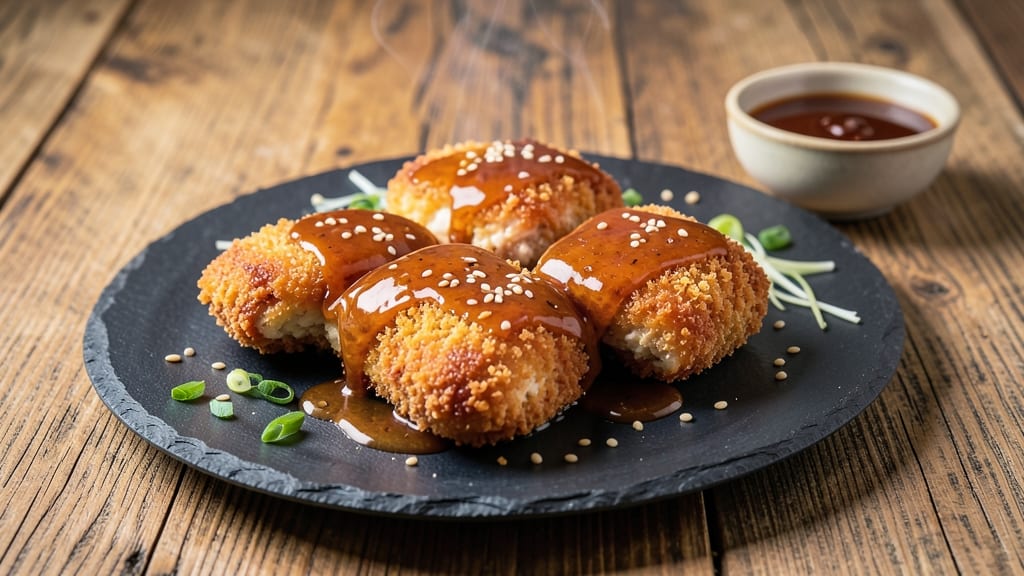
This baked teriyaki chicken tenders recipe delivers the perfect balance of crispy glaze and juicy centers without deep-frying. The homemade teriyaki sauce caramelizes beautifully in the oven, creating a sticky, flavorful crust that locks in moisture while adding that signature sweet-savory taste.
I developed this method after years of testing—no more dry, rubbery tenders or overly sweet glazes that overpower the chicken.
The secret lies in marinating the chicken briefly before baking, which ensures tender meat, and using a thick glaze that doesn’t drip away. You’ll need just 15 minutes of prep time, followed by 20 minutes in the oven at 400°F, making it ideal for weeknight dinners or meal prep.
The sauce is simple to make with pantry staples, and the technique guarantees restaurant-quality results every time.
What you’ll end up with is golden-brown tenders with a glossy, caramelized glaze that cracks slightly when you bite in—crispy on the outside, impossibly tender inside. The sauce clings perfectly, delivering that perfect teriyaki flavor in every bite without being overly sweet.
Serve with a side of steamed rice or roasted vegetables for a complete meal that’s both satisfying and balanced.
These tenders reheat beautifully, making them perfect for lunches or parties. The recipe scales easily, so you can adjust the batch size to feed a crowd or save leftovers for later. Let’s get started—your taste buds will thank you.
Ingredients for baked teriyaki chicken tenders
Fifteen minutes of prep, twenty minutes of baking—restaurant-quality teriyaki tenders without the mess.
| Ingredient | Amount | Notes |
|---|---|---|
| Boneless, Skinless Chicken Breast 🍗 | 1 ½ lb | Cut into 1-inch thick strips |
| All-Purpose Flour 🌾 | ½ cup | For breading, sifted |
| Panko Breadcrumbs 🍞 | ½ cup | Light and crispy |
| Large Eggs 🥚 | 1 whole | Beaten for dredging |
| Vegetable Oil 🫒 | 2 tbsp | For light coating |
| Teriyaki Sauce 🍶 | ¾ cup | Homemade or quality store-bought |
| Honey 🍯 | 1 tbsp | For glaze sweetness |
| Soy Sauce 🥢 | 2 tbsp | For umami depth |
| Garlic Cloves 🧄 | 3 cloves | Minced for sauce |
| Fresh Ginger 🌿 | 1 tbsp | Grated, for zing |
| Sesame Oil 🫒 | 1 tsp | For nutty aroma |
| Diamond Crystal Kosher Salt 🧂 | ½ tsp | For seasoning |
| Ground Black Pepper 🌶️ | ¼ tsp | Freshly cracked |
| Cornstarch 🌾 | 1 tbsp | For glaze thickening |
The chicken breast is your foundation—boneless, skinless cuts ensure even cooking. Look for plump, white meat with minimal fat at Costco or Trader Joe's for the best value. Pound the strips to even thickness (about 1-inch) so they cook uniformly. Fresh ginger and garlic are non-negotiable here—they make the difference between store-bought teriyaki and homemade magic. Penzeys or the bulk bins at Whole Foods have the freshest, but your grocery store’s produce section works too if you grab it early.
No panko? Crushed cornflakes or regular breadcrumbs work in a pinch, but they won’t give that signature crunch. The teriyaki sauce is where the flavor happens—homemade is ideal, but Kikkoman or San-J work if you’re short on time. For extra richness, add a splash of mirin (about 1 tbsp) to your sauce. The cornstarch is key for that glossy, crackly glaze—don’t skip it. And if you’re feeling fancy, toss the cooked tenders in toasted sesame seeds for crunch.
These reheat like a dream—5 minutes at 350°F brings them back to crispy perfection. Store leftovers in an airtight container for up to 4 days or freeze for 3 months. Pro tip: Portion into single servings before freezing for easy lunches. The sauce can be made ahead and stored in the fridge for 1 week—just reheat gently before using. And if you’re making a crowd batch, double the recipe—they disappear fast at parties.
Why You'll Love This Recipe
- No-Fry Night Hero: Between us, I’ve fried chicken tenders before—messy, greasy, and always leaving my kitchen smelling like a fast-food joint. This baked version? Just panko, egg, and flour on chicken breasts, tossed in teriyaki, then 20 minutes in the oven. Crispy without the oil splatter, and my kids still beg for seconds.
- Sweet-Savory Magic: The teriyaki glaze isn’t just sweet—it’s got a little ginger and garlic sneaking in, so every bite has that umami punch. The panko crust adds crunch, but the chicken stays juicy inside. Honestly, it’s the kind of flavor combo that makes you want to eat it straight from the pan (no judgment if you do).
- Lunchbox Legend: Here’s what sold me—these tenders stay crispy for days if you freeze them. Toss a few in a lunchbox with some rice and steamed veggies, and your kid won’t swap it for pizza. (Yes, even on a Tuesday.) They’re also my go-to for game day snacks—no reheating required, just grab and go.
- Budget Crunch: Chicken breasts are cheap, and you’re not drowning in expensive marinades or specialty flours here. A single batch feeds four, and leftovers reheat like a dream—crispy edges intact. Between us, this is the kind of recipe that makes grocery night feel less stressful.
Step-by-step instructions for baked teriyaki chicken tenders
Here's how to achieve that perfect balance of crispy exterior and juicy interior every time.
Prepare the Chicken and Breading Station
Start by cutting the 1.5 lb boneless, skinless chicken breast into 1-inch thick strips. This thickness ensures even cooking and maximum tenderness. Pat each strip dry with paper towels—this crucial step prevents soggy breading and helps create that perfect golden crust.
Set up three shallow bowls for your breading station. In the first bowl, place the 0.5 cup all-purpose flour and mix in the 0.5 tsp Diamond Crystal kosher salt and 0.25 tsp ground black pepper. This dry seasoning will adhere to the chicken and create the foundation for your crispy coating. Keep the other bowls empty for now—we'll use them for the egg wash and panko breadcrumbs next.
Create the Glazed Teriyaki Mixture
While the chicken rests, prepare the sauce in a small saucepan. Combine 0.75 cup teriyaki sauce, 1 tbsp honey, 2 tbsp soy sauce, and 1 tbsp cornstarch in the pan. Bring to a gentle simmer over medium heat while whisking constantly—this prevents the cornstarch from clumping and creates a smooth, glossy glaze.
Simmer for 3-4 minutes until the sauce thickens noticeably and coats the back of a spoon. Remove from heat and stir in the minced 3 cloves garlic and 1 tbsp freshly grated ginger. Let it cool slightly while you prepare the chicken—this ensures the breading stays crispy when you brush on the glaze later. The sauce should be thick enough to cling to the chicken but still flow easily when brushed.
Bread and Glaze the Chicken Tenders
Work quickly to keep the chicken at room temperature. Dip each chicken strip into the beaten 1 whole large egg until fully coated, then press gently into the 0.5 cup panko breadcrumbs to adhere completely. The panko should cling tightly—this is your secret to that satisfying crunch. Place the breaded tenders on a wire rack set over a baking sheet to allow air circulation on all sides.
Once all pieces are breaded, brush each tender generously with the cooled teriyaki glaze. The glaze should look glossy and sticky—this ensures maximum flavor transfer during baking. Let them rest for 5 minutes while you preheat your oven to 400°F. This brief rest helps the breading adhere better and prevents the coating from falling off during baking.
Bake to Crispy Perfection
Carefully transfer the chicken tenders to a parchment-lined baking sheet, spacing them 1 inch apart to allow for even browning. Bake for 15 minutes, then flip each tender and continue baking for another 10-12 minutes until the edges are deep golden brown and the internal temperature reaches 165°F when checked with a meat thermometer.
Here's the thing—don't overcrowd the pan. The tenders need room to crisp up properly. If they start browning too quickly, tent them loosely with foil for the last 3-5 minutes of baking to prevent over-browning while ensuring they finish cooking through. The panko should be crispy enough to shatter slightly when pressed gently with tongs.
Glaze and Serve Immediately
Remove the tenders from the oven and transfer them to a serving platter. Immediately brush each piece with another generous coat of the teriyaki glaze—this final step creates that signature sticky, glossy finish. The residual heat from the hot tenders will help the glaze set beautifully.
Serve while still warm for that perfect balance of crispy exterior and juicy interior. The tenders should be golden brown with a crackly panko crust that gives way to tender, moist chicken underneath. Each bite delivers that perfect combination of sweet, savory, and umami flavors from the teriyaki glaze. Pair with your favorite dipping sauce or serve with a side of steamed vegetables for a complete meal.
Pro Tips For Making Baked Teriyaki Chicken Tenders
- Pound Chicken Thin: Chicken breasts are stubborn—thick slices won’t brown evenly, and the center stays rubbery. Grab a rolling pin and flatten them to ¼-inch thickness before dredging. Yes, it’s tedious, but it guarantees crispy tenders that don’t fall apart when you cut them.
- Double-Dip the Egg: Skip the one-and-done egg wash, and you’ll get soggy breading. Dip the floured tenders in beaten egg, let excess drip off, then dip again in egg before the panko. The extra layer seals the crust and locks in moisture—trust me, I’ve cried over dry tenders.
- Bake in Batches: Crowd the tray, and the oil pools unevenly, leaving some tenders greasy and others dry. Work in single-layer batches on a wire rack (or upside-down baking sheet) for even airflow. Your oven’s not a magic crispy machine—give it space.
- Broil for 2 Minutes: The last 2 minutes under the broiler are where the magic happens. Watch like a hawk—panko turns golden fast, and it’s easy to burn. If your oven lacks a broiler, finish under a high heat lamp (yes, the kind for reptiles) for that restaurant-quality crust.
Troubleshooting this dish
Glaze Too Thin
If your teriyaki glaze runs off the tenders during baking, the sauce wasn’t thick enough. The cornstarch is your secret weapon—whisk it vigorously into the sauce while simmering to create a proper glossy consistency.
For extra insurance, add ½ tsp more cornstarch and simmer for an additional 1-2 minutes. I’ve found that bringing the sauce to a gentle boil for 30 seconds after thickening helps it set better on the chicken. 🥄
Soggy Breading
Dry chicken is key—pat each strip thoroughly with paper towels before breading. If your panko loses its crunch, the egg wash might be too wet. Beat the egg until frothy but not too runny—think lightly whipped like a thin custard.
For extra insurance, chill the breaded tenders in the fridge for 10 minutes before baking to help the coating set. I also recommend using room-temperature chicken to prevent moisture from condensing on the breading. 🧊
Uneven Cooking
Thick chicken strips cook faster than thin ones, leading to dry outs. Pound your strips to exactly 1-inch thickness using a meat mallet or rolling pin. If you notice some pieces browning before others, flip them halfway through baking.
For large batches, bake in two batches if needed—crowding the pan causes steam, which makes the breading soggy. A wire rack over a baking sheet ensures air circulates evenly for perfect browning. 🔥
Glaze Too Sweet
The honey gives teriyaki its signature sweetness, but too much can overwhelm the chicken. Start with 1 tbsp honey and adjust to taste—½ tsp at a time—after tasting the sauce. For a more balanced flavor, add 1 tsp rice vinegar to the sauce to brighten the sweetness.
I also recommend using light soy sauce instead of dark for a cleaner flavor profile. Balance is everything—aim for sweet, salty, and umami in equal parts. 🍯
Dry Chicken Inside
Overbaking is the #1 cause of dry tenders. Use a meat thermometer and remove them at 165°F—no exceptions. If your oven runs hot, reduce the temperature to 375°F and add 2-3 minutes to the baking time.
For extra moisture, brush the tenders with 1 tsp olive oil before breading. I’ve also had success with a 10-minute rest after baking—this lets juices redistribute while keeping the breading crispy. 💧
Breading Falling Off
Rushing the breading process causes this common issue. Let the chicken sit at room temperature for 15 minutes before breading—cold chicken absorbs moisture from the egg wash. Press the panko firmly onto each piece so it adheres completely.
For extra grip, dip your fingers in water and wet the panko slightly before pressing it onto the chicken. A 5-minute rest before baking helps the coating set permanently. 🍗
Nutrition facts
Frequently asked questions
Can I use chicken thighs instead of breasts for this recipe?
You can, but thighs need 5-7 extra minutes in the oven to reach 165°F internally. Since they're fattier, they stay juicier but may require medium-high heat (375°F) to crisp the breading. For best results, trim excess fat and reduce baking time by 2 minutes to prevent overcooking.
How do I make the teriyaki sauce less sweet?
Reduce the honey to ½ tbsp and add 1 tsp rice vinegar or ½ tsp Dijon mustard to balance sweetness. For extra umami, increase soy sauce to 3 tbsp and add ½ tsp grated ginger. Taste as you go—teriyaki should have a 30/70 sweet-savory ratio for perfect harmony.
Can I air fry these instead of baking?
Air fry at 375°F for 10-12 minutes, shaking the basket halfway. The high heat creates crispy breading faster. For extra glaze, brush on sauce 2 minutes before finishing. Air frying reduces cooking time by 30% while keeping the same juicy centers.
What's the best way to store leftovers?
Cool tenders completely, then store in an airtight container for up to 4 days in the fridge. For reheating, use the oven at 350°F for 5-7 minutes to restore crispiness. Freeze for 3 months by wrapping individually—microwave for 20 seconds before serving.
Why did my breading turn brown but stay soft?
This happens when the chicken isn't fully cooked through. Always check 165°F internal temp—the breading needs the heat to crisp. For extra crunch, broil for 1-2 minutes at the end (watch closely!). If your oven runs cool, increase temp to 425°F for the last 3 minutes of baking.