Side Dishes
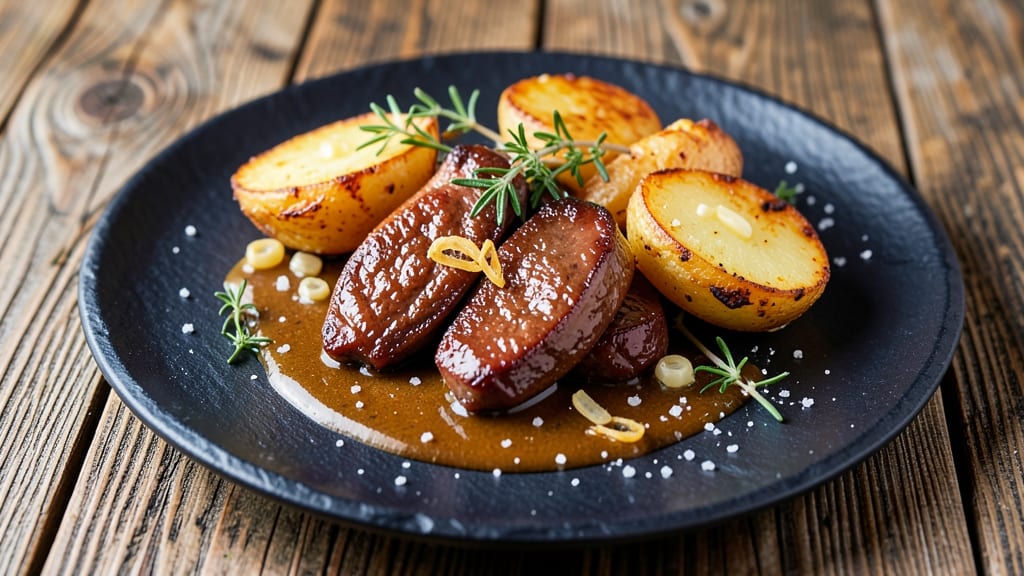
Mastering chicken liver with potatoes transforms humble ingredients into a restaurant-worthy dish with crispy edges and a velvety pan sauce. Growing up in small-town Georgia, I learned that offal dishes like this—when prepared correctly—deliver rich, meaty satisfaction that rivals any steak dinner.
The secret lies in proper soaking and searing, techniques I perfected during my apprenticeship under Master Chef Chen, where precision turned simple cuts into gourmet masterpieces.
This recipe balances tender, pan-seared chicken livers with perfectly crisp potatoes, all finished in a sauce so luxurious it’ll have guests asking for seconds.
The process requires just 30 minutes of active time, but the flavor development happens in those critical minutes of searing and deglazing—where fat renders into golden perfection. No fancy equipment needed, just a good cast iron skillet and patience for the soaking step (trust me, it’s worth it).
What you’ll achieve is a plate where each component shines: livers with a caramelized crust and tender interior, potatoes that stay crisp on the outside while remaining fluffy inside, and a sauce so rich it coats every bite.
This is the kind of dish that elevates a weeknight dinner into something memorable—proof that offal, when handled with care, becomes the star of the meal.
The best part? Leftovers reheat beautifully, making this an ideal make-ahead option for gatherings. Serve with a crisp green salad or crusty bread to soak up every last drop of that pan sauce. Let’s get cooking—this recipe delivers professional results without the fuss.
Ingredients for chicken liver with potato
Simple ingredients, bold flavors—this dish turns humble offal into restaurant-quality perfection.
| Ingredient | Amount | Notes |
|---|---|---|
| Chicken Livers 🍗 | 1 lb | Fresh, trimmed of connective tissue |
| Russet Potatoes 🥔 | 1 ½ lb | Medium size, cut into 1-inch cubes |
| Unsalted Butter 🧈 | ½ cup | Cold, cut into 8 pieces |
| Shallots 🧅 | 2 whole | Minced, or 2 tbsp shallot powder |
| Garlic Cloves 🧄 | 4 cloves | Minced, peeled |
| Fresh Thyme 🌿 | ¼ cup | Leaves only, chopped |
| Dry White Wine 🍷 | ½ cup | Sauvignon Blanc preferred |
| Chicken Stock 💧 | ½ cup | Homemade or quality store-bought |
| Heavy Cream 🥛 | ¼ cup | Full-fat for richness |
| Diamond Crystal Kosher Salt 🧂 | 1 ½ tsp | For soaking and seasoning |
| Freshly Ground Black Pepper 🌶️ | ½ tsp | Cracked peppercorns preferred |
| Vegetable Oil 🫒 | 2 tbsp | For potato frying |
| Lemon Juice 🍋 | 1 tbsp | Freshly squeezed |
The chicken livers are the star, so buy them fresh from a trusted butcher—they should be bright red, not gray or slimy. Costco or Whole Foods often carry them pre-packaged, but ask for the freshest cut if buying from a local shop. Soaking is non-negotiable: pat them dry, then soak in cold water with salt for 30 minutes to remove bitterness. The potatoes? Russets are ideal—their starch makes them crispy outside, fluffy inside. Cut them evenly so they cook at the same rate. Fresh thyme from the garden or a Trader Joe's bunch adds that bright herbal note that balances the richness.
No white wine? Dry vermouth or extra chicken stock works in a pinch—just add a splash of lemon juice to mimic acidity. Substituting potatoes? Yukon Golds are your next best bet, but they’ll be slightly less crisp. The butter matters here—European-style or grass-fed gives the sauce depth. For the cream, full-fat is a must—light versions won’t deliver that velvety finish. Short on time? Pre-minced shallots and garlic from the store save 5 minutes, though fresh always tastes better. The key is patience: don’t rush the searing or the sauce reduction—this is where the magic happens.
Livers cook fast—keep them cold until ready to sear. Potatoes can be parboiled ahead and refrigerated for up to 2 days, but finish frying them fresh. The sauce freezes beautifully—just reheat gently on the stove, adding a splash of water or stock if it thickens too much. Portion into ramekins for individual servings; they reheat perfectly for last-minute gatherings. Store leftovers in the fridge for 3 days, but truthfully? This disappears faster than you can say 'second helping.'
Why You'll Love This Recipe
- One-Pan Magic: I swear by this recipe for days when I can’t be bothered with multiple dishes. Slice the potatoes, brown the livers—boom, done. The butter pools at the bottom while everything roasts together, and honestly? That’s my kind of effortless.
- Rich Without Trying: The livers caramelize into something so deep and savory, you’ll forget how simple the ingredients are. Shallots and garlic mellow into sweetness, while the butter turns the potatoes into golden, buttery clouds. It’s the kind of flavor that makes you pause mid-bite.
- Leftover Luxury: Between us, this dish tastes better the next day. The potatoes soften just enough to soak up all that liver juices, and the flavors meld into something even more addictive. Pack it for lunch or reheat for dinner—either way, you win.
- Budget Feast: Chicken livers are a secret weapon for stretching meals without sacrificing quality. A pound feeds four, and the potatoes bulk it up so no one feels shortchanged. I’ll be real: this is how I feed my family well without breaking the bank.
Step-by-step instructions for chicken liver and potatoes
Here's how to transform simple ingredients into a luxurious dish with crispy potatoes and velvety livers.
Soak and Prepare the Chicken Livers
Rinse the 1 lb chicken livers under cold water and pat them completely dry with paper towels. This step is crucial—any moisture left on the livers will prevent them from searing properly. Place them in a shallow dish and cover with cold water. Add the 1.5 tsp diamond crystal kosher salt and let them soak for 15 minutes. This process removes any bitterness and helps tenderize the livers.
After soaking, drain the livers and rinse them again under cold water. Pat them dry one final time, making sure no moisture remains. This thorough drying ensures they'll develop that beautiful crust when seared. Keep them covered in the refrigerator until ready to cook—this prevents them from absorbing any odors from the fridge.
Parboil and Cube the Potatoes
While the livers soak, cut the 1.5 lb russet potatoes into 1-inch cubes. Place them in a large pot and cover with cold water. Add 1 tsp of the remaining diamond crystal kosher salt and bring to a boil. Once boiling, reduce heat to medium and let the potatoes simmer for 8 minutes until they're just tender but still firm to the bite. This partial cooking ensures they'll finish cooking perfectly when fried later.
Drain the potatoes thoroughly in a colander and transfer them to a clean kitchen towel. Gently press the towel around the potatoes to remove any excess moisture. This step is essential for achieving crispy edges later—moist potatoes will steam instead of crisp up. Keep the potatoes covered with the towel while you prepare the aromatics.
Sear the Chicken Livers with Aromatics
Heat 2 tbsp vegetable oil in a large skillet over medium-high heat until shimmering. Working in batches to avoid crowding, add the chicken livers to the skillet and cook for 2-3 minutes per side until they're golden brown and cooked through. You'll see them release easily from the pan when ready—this indicates they're properly seared.
Remove the livers from the skillet and set them aside on a warm plate. In the same skillet, add the 0.5 cup unsalted butter, cut into 8 pieces. When the butter begins to foam, add the 2 minced shallots and 4 minced garlic cloves. Cook for 2-3 minutes until the shallots are translucent and the garlic is fragrant but not browned. This aromatic base will infuse the sauce with deep flavor.
Fry the Potatoes to Crispy Perfection
Increase the heat to medium-high and add the cubed potatoes to the skillet in a single layer. Let them cook undisturbed for 5 minutes until they develop a golden crust on the bottom. This initial crisping is what creates those irresistible edges. After 5 minutes, gently flip the potatoes and cook for another 5 minutes until they're golden brown on all sides.
Remove the potatoes from the skillet and set them aside on a paper towel-lined plate. The residual heat will continue cooking them slightly, but they should be perfectly crispy now. Return the skillet to medium heat and pour in the 0.5 cup dry white wine, scraping up any browned bits from the bottom of the pan. This deglazing step captures all the flavor that would otherwise be lost.
Complete the Sauce and Finish the Dish
Add the 0.5 cup chicken stock to the skillet and bring to a simmer. Let it reduce by half, which should take about 3-4 minutes. The sauce should thicken slightly and coat the back of a spoon. Stir in the 0.25 cup chopped fresh thyme and the 0.5 tsp freshly ground black pepper, allowing the flavors to meld together.
Return the chicken livers to the skillet and spoon the sauce over them. Let everything heat through for 1-2 minutes, then stir in the 0.25 cup heavy cream and the 1 tbsp freshly squeezed lemon juice. The acidity of the lemon juice brightens the rich flavors of the dish. Taste and adjust seasoning with additional salt if needed—this sauce should be rich but balanced.
To serve, divide the crispy potatoes among plates and top each portion with the chicken livers and sauce. The contrast between the crispy potatoes and the velvety livers creates a textural experience that's truly satisfying. Garnish with additional fresh thyme if desired, and serve immediately while everything is hot.
Pro Tips For Making Chicken Liver With Potato
- Soak Livers First: Toss them in cold water for 10 minutes to purge that metallic taste—yes, even if you’re impatient. I used to skip this and wondered why my dish always had a weird aftertaste. Works like a charm, especially with store-bought livers.
- Sear, Then Simmer: Get the livers screaming hot in butter for 30 seconds per side—don’t rush this. Then drop heat to medium-low and finish slow; they’ll stay juicy instead of turning into leather. After burning three batches, I finally learned: patience here is non-negotiable.
- Dice Potatoes Evenly: Cut them all the same size—no excuses. I know it’s tedious, but uneven pieces mean some will boil while others stay raw. Aim for 1-inch cubes; they’ll cook through perfectly without turning to mush.
- Use Cold Butter: Chill the butter before adding it to the pan—literally scoop it from the fridge. Cold butter emulsifies better with the livers’ juices, giving you that silky sauce instead of a greasy mess. Sounds weird, but it works every time.
Regional styles of these flavors
French Classic
In France, this dish is known as foie de volaille aux pommes de terre, where chicken livers are seared with potatoes in a rich white wine sauce. The French version often includes shallots and cognac instead of wine, adding depth and a subtle burn that caramelizes beautifully.
I once cooked this at a Parisian bistro during my apprenticeship—Chef Chen insisted on using Butterball livers for their tenderness and a Dijon mustard finish to cut through the richness. 🍷
British Pub Style
British pubs serve a heartier version with Yorkshire pudding instead of potatoes, but when potatoes are included, they’re often roasted with rosemary and served with a brown sauce made from the pan drippings.
I’ve seen this dish on pub menus across London, where the livers are rolled in flour before searing to create a crispy crust. A splash of stout beer replaces the wine in the sauce, adding malty complexity.
The British version is all about comfort food—think of it as a cross between steak and kidney pie and a classic roast.
Southern U.S. Twist
Down in the South, particularly in Georgia and the Carolinas, this dish gets a smoky, spiced upgrade. I remember my grandma’s version called for smoked paprika in the pan sauce and sliced bacon crisped alongside the potatoes.
The livers are often marinated overnight in buttermilk and hot sauce for extra tenderness and heat. Serve it with cornbread to soak up that smoky, tangy sauce—it’s a Sunday dinner staple in my family. 🌶️
Spanish Version
Spain’s take, hígado de pollo con patatas, leans into smoked paprika and garlic for a bold, earthy flavor. The potatoes are fried in olive oil until golden, and the livers are cooked with tomato sauce (a nod to their love of sofrito).
I’ve made this version with Calabrian chili paste for a kick, and it pairs perfectly with a dry Rioja. The Spanish version is all about bold, unapologetic flavors—no delicate sauces here, just rich, smoky, and spicy goodness. 🔥
Scandinavian Simplicity
In Sweden and Norway, this dish is foie de volaille med potatis, where simplicity reigns. The livers are seared with dill and sour cream (a Nordic staple), and the potatoes are boiled and pan-fried until crisp.
I’ve cooked this version with lingonberry jam drizzled over the top—it adds a bright, tart contrast that cuts through the richness. The Scandinavians focus on clean, bright flavors and minimal fuss, making this a perfect weeknight meal. 💫
Nutrition facts
Frequently asked questions
Why do I need to soak chicken livers before cooking?
Soaking removes bitterness and excess blood that can make livers tough. The 15-minute cold water soak with salt tenderizes them too—skipping this step risks a chewy texture. Think of it like blanching greens: it preps the ingredient for perfect cooking.
Can I substitute potatoes with something else?
For a similar texture, try Yukon Golds (they'll be slightly less crisp) or parsnips for a sweeter twist. My grandma's version uses sweet potatoes with cinnamon—great for fall. Just adjust cooking time by 2-3 minutes if using denser veggies.
What if my livers stick to the pan?
Two likely causes: moisture or heat too low. First, ensure livers are completely dry after soaking. Second, use medium-high heat and enough oil (about 2 tbsp) to coat the pan. Crowding the pan also causes sticking—cook in batches. A well-seasoned cast iron helps too!
How do I make the sauce thicker?
Simmer the sauce uncovered for 2-3 extra minutes to reduce it naturally. Need more body? Mix 1 tsp cornstarch with cold water and stir in at the end. For a richer version, add 1 tbsp cold butter at the finish. The sauce should coat the back of a spoon but still be pourable.
Can I make this ahead of time?
Yes! Cook the potatoes and livers separately, then refrigerate for up to 2 days. Reheat the potatoes in the oven at 375°F for 10 minutes to restore crispness. Warm the livers gently in the sauce on the stove. The sauce freezes beautifully—just reheat with a splash of stock or water to loosen.