Main Courses
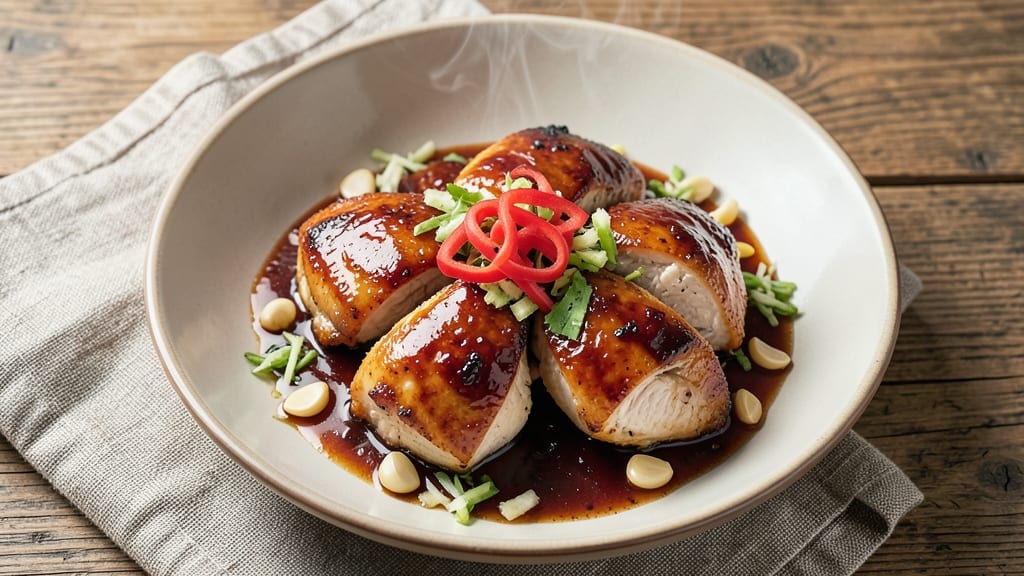
This copycat teriyaki chicken recipe delivers the same restaurant-quality glaze and tender meat you crave—perfectly balanced sweet, tangy, and savory in every bite.
After analyzing what makes the original so addictive, I’ve simplified the process to 30 minutes of hands-on time while keeping the golden-brown caramelized crust and sticky-sauce perfection intact.
The secret lies in a two-part marinade that tenderizes the chicken while building deep flavor, followed by a quick sear that locks in juices.
The sauce itself is where the magic happens—a blend of simple pantry staples like soy sauce, honey, and ginger that comes together in minutes. What sets this apart is the reducing technique that thickens the glaze just enough to coat the chicken without overwhelming its natural taste.
You won’t need any specialty ingredients, just a few staples and a little patience to let the flavors meld during the final resting phase.
By the time you’re done, you’ll have juicy, tender chicken with a glossy glaze that’s sticky but not syrupy, served over steamed rice or noodles for the full experience.
The aroma alone will have everyone gathering around the table—this is the kind of dish that tastes like it took hours but comes together in a fraction of the time. Ready to recreate that restaurant favorite at home?
Whether you’re feeding a crowd or meal prepping for the week, this recipe scales effortlessly while keeping the authentic copycat quality intact. The leftovers reheat beautifully, making it a foolproof solution for busy weeknights. Here’s how to make it happen.
Ingredients for copycat teriyaki chicken
Pantry staples that transform into restaurant-quality teriyaki chicken in minutes.
| Ingredient | Amount | Notes |
|---|---|---|
| Boneless, Skinless Chicken Thighs 🍗 | 1 ½ lb | Cut into 1-inch thick pieces |
| Soy Sauce 🥄 | ½ cup | Low-sodium preferred for balance |
| Honey 🍯 | ⅓ cup | Pure, unprocessed honey |
| Rice Vinegar 🍶 | ¼ cup | White or seasoned variety |
| Fresh Ginger 🌿 | 2 tbsp | Finely grated, aromatic |
| Garlic Cloves 🧄 | 4 cloves | Minced, fresh preferred |
| Sesame Oil 🫒 | 1 tbsp | Toasted sesame oil for aroma |
| Brown Sugar 🍚 | 2 tbsp | Light or dark variety |
| Extra-Virgin Olive Oil 🫒 | 2 tbsp | For searing chicken |
| Diamond Crystal Kosher Salt 🧂 | 1 tsp | For seasoning |
| Ground Black Pepper 🌶️ | ½ tsp | Freshly ground |
| Cornstarch 🌾 | 1 tbsp | For thickening glaze |
| Fresh Sesame Seeds 🌱 | 1 tbsp | Toasted for garnish |
The chicken thighs are non-negotiable here—bone-in, skin-on would add richness, but boneless works just fine. Look for plump, meaty thighs at the grocery store, not the shriveled kind. I always grab mine from the butcher counter if possible, where they keep them fresh. For the soy sauce, Kikkoman or low-sodium versions are ideal—avoid the high-sodium kind unless you're balancing with extra honey. The ginger should be bright and firm, not fibrous or dried out, and grating it fresh makes all the difference (trust me, the pre-minced stuff in jars is a crime).
No sesame oil? Toasted peanut oil works in a pinch, though it’ll lack that nutty aroma. Running out of rice vinegar? Apple cider vinegar or white wine vinegar will do, but reduce the amount slightly since they’re more acidic. Substituting honey for maple syrup? Use the same amount, but add a pinch of salt to balance the flavors. The cornstarch is key for that perfect glaze—don’t skip it, but if you’re out, a 1:1 cornstarch-to-water slurry works too. For the sesame seeds, toast them in a dry pan for 30 seconds before using—they’ll smell like heaven.
This sauce keeps beautifully—store it in an airtight container in the fridge for up to 1 week, or freeze it for 3 months. The chicken reheats like a dream—just warm it in a pan with a splash of water for 2-3 minutes. I always make extra sauce because it’s perfect over rice, noodles, or even as a dipping sauce. Leftovers? Portion them into containers with a side of rice for easy lunches all week.
Why You'll Love This Recipe
- One-Pan Magic: I swear by this recipe when I’m too tired to wash dishes. Toss the chicken thighs in the sauce, pop them on a sheet pan, and let the oven do the work—no pots, no pans, just sticky-sweet perfection waiting for you.
- Umami Bomb: That combo of soy sauce, honey, and fresh ginger? It’s like a flavor explosion in your mouth. The sauce caramelizes just enough to coat the chicken in a glossy, addictive glaze—salty, sweet, and bright all at once.
- Lunchbox Hero: Between us, this is my secret for packing lunches that don’t taste like leftovers. The chicken stays juicy, the sauce clings perfectly, and it reheats like a dream—no soggy rice or dry meat here.
- Budget Win: Chicken thighs are cheap, and this recipe stretches easily. Double the batch, freeze half, and thank me later when you’re serving up restaurant-quality meals without breaking the bank. (Yes, even on a Tuesday night.)
Step-by-step instructions for glazed chicken
Here's the method that delivers restaurant-quality teriyaki every time—crispy edges and sticky-sweet glaze.
Prep the Chicken and Marinate for Flavor
Cut the 1.5 lb boneless, skinless chicken thighs into 1-inch thick pieces—this ensures even cooking and maximum glaze adhesion. In a large bowl, combine the chicken with 0.5 cup soy sauce, 0.33 cup honey, 0.25 cup rice vinegar, 2 tbsp finely grated fresh ginger, 4 minced garlic cloves, and 1 tbsp sesame oil. Mix gently but thoroughly to coat the chicken evenly.
Let the mixture marinate for at least 15 minutes (or up to 2 hours in the refrigerator for deeper flavor). This step is non-negotiable—it develops the complex balance of salty, sweet, and umami that makes teriyaki special. Don't skip it, even if you're eager to cook.
Sear the Chicken for Crispy Texture
Heat 2 tbsp extra-virgin olive oil in a large skillet over medium-high heat until shimmering. Remove the chicken from the marinade (reserve the liquid) and pat it dry with paper towels—this ensures a proper sear. Working in batches if needed, add the chicken to the skillet and cook undisturbed for 3-4 minutes per side until golden brown and cooked through to 165°F internally.
Here's the thing—if you see the chicken releasing easily from the pan, it's ready to flip. Overcrowding the pan will steam the chicken instead of searing it, so don't rush. Transfer the cooked chicken to a plate and tent loosely with foil to keep warm while you prepare the glaze.
Thicken the Glaze to Perfection
Return the reserved marinade to the skillet over medium heat and bring to a gentle simmer. Add 2 tbsp brown sugar and 1 tbsp cornstarch to the mixture, whisking constantly to prevent lumps. Let it cook for 3-5 minutes until the glaze thickens enough to coat the back of a spoon—this should happen just as it reaches a gentle boil.
Taste and adjust seasoning with 1 tsp diamond crystal kosher salt and 0.5 tsp ground black pepper if needed. The glaze should be sticky but not runny—if it's too thick, whisk in 1-2 tablespoons of water to reach the right consistency. This is where the magic happens—the glaze should be glossy and cling to the chicken like restaurant-quality teriyaki.
Glaze and Finish for Restaurant-Quality Results
Return the seared chicken to the skillet with the thickened glaze and spoon it generously over the chicken. Let it cook for 2-3 minutes on each side, basting frequently with the glaze, until the chicken is fully coated and the glaze has caramelized slightly. The chicken should be glossy and sticky—this is your visual cue that it's ready.
Remove from heat and let it rest for 2 minutes before serving. Garnish with 1 tbsp toasted fresh sesame seeds right before plating—this adds a nutty crunch that elevates the dish. Serve over steamed rice or with your favorite sides for a complete meal that tastes just like your favorite takeout.
Pro Tips For Making Copycat Teriyaki Chicken
- Sear First, Save Flavor: Hit the chicken thighs with a screaming-hot pan—no oil needed, just sear them until they release from the bottom. I learned this the hard way: skipping the sear means your teriyaki sauce just coats instead of caramelizing into a sticky, flavor-packed crust. Two minutes per side, then pull them out while they’re still pink—you’ll finish them in the sauce.
- Grate Ginger, Don’t Mince: Fresh ginger loses its kick when you mince it fine. Use a box grater or microplane and add it whole to the sauce, then strain later if you hate texture. I was skeptical until I tried it—now I can’t go back. The heat stays vibrant, and your sauce won’t turn into ginger-flavored wallpaper paste.
- Reduce the Sauce Aggressively: Simmer that teriyaki mix until it coats the back of a spoon—no lazy half-measures. You’re not making soup; you want a glossy, syrupy glaze that clings to the chicken like it’s glued on. I used to rush this, and my sauce always ended up watery. Now? Every bite is sticky perfection.
- Rest Chicken Before Glazing: Let the seared thighs sit 5–10 minutes under foil while you make the sauce. This keeps them juicy when they hit the heat again—no dry, sad chicken here. I skipped this once and ended up with rubbery bites. Trust me, the wait is worth it.
Best sauces and condiments for these flavors
Classic Teriyaki Glaze
The star of this dish is the teriyaki glaze—a perfect balance of sweet, tangy, and savory that clings beautifully to the chicken. I start with ½ cup soy sauce as the base, then add ⅓ cup honey for natural sweetness and ¼ cup rice vinegar for that essential tang.
The 2 tbsp brown sugar and 1 tbsp cornstarch thicken the sauce just enough to create that signature sticky texture without being syrupy. 🍯
For extra depth, I infuse the glaze with 2 tbsp freshly grated ginger and 4 minced garlic cloves—this is where the magic happens. The ginger adds warmth while the garlic rounds out the flavors.
Toast 1 tbsp sesame oil in the pan before adding the marinade to enhance its nutty aroma. If you're short on time, a 1:1 substitution of maple syrup for honey works, but reduce the vinegar slightly to balance the flavors.
Umami Boost Options
For an extra layer of umami richness, I sometimes add 1 tbsp mirin or 1 tsp fish sauce to the glaze—both deepen the savory notes without overpowering. If you're avoiding fish sauce, 1 tsp Worcestershire sauce is a great alternative.
For a vegetarian version, swap the fish sauce for 1 tsp soy sauce and add ½ tsp smoked paprika to mimic the depth. 🌿
Another pro tip: If your glaze isn't sticky enough after reducing, whisk in 1 tsp honey or 1 tsp water to adjust the consistency. The goal is a glaze that coats the back of a spoon but still flows smoothly—this ensures it clings perfectly to the chicken.
Sauce Variations
Want to switch it up? Try a spicy teriyaki by adding 1 tsp sriracha or ½ tsp cayenne pepper to the glaze. For a smoky twist, stir in ½ tsp liquid smoke or 1 tsp smoked salt before serving.
Both variations keep the same sticky texture while adding exciting new dimensions. 🌶️
For a lighter version, reduce the honey to 2 tbsp and add 1 tbsp apple cider vinegar to cut through the richness. This works beautifully if you're watching sugar intake but still want that classic teriyaki flavor.
The key is balancing the sweetness with acidity to keep the glaze vibrant.
Glaze Thickening Hacks
If your glaze separates or becomes too thin, don’t panic. Whisk in ½ tsp cornstarch mixed with 1 tsp cold water to instantly thicken it.
For a glossier finish, add 1 tsp neutral oil (like avocado or vegetable oil) to the glaze while it’s still hot—this helps it cling better to the chicken. 💡
For a sheenier glaze, brush the chicken with a tiny bit of egg white before applying the sauce. This creates a light barrier that makes the glaze look even more restaurant-quality. Just be sure to broil for 1-2 minutes afterward to set the egg white without overcooking the chicken.
Serving Sauce Ideas
Don’t toss out the leftover glaze—it’s perfect for dipping! Use it over steamed rice, noodles, or even crispy fries for a quick appetizer. I also love drizzling extra glaze over grilled vegetables like bell peppers and broccoli for a sweet-savory side dish. 🥢
For a dipping sauce, thin the leftover glaze with 1-2 tbsp water to make it more pourable. Add a pinch of red pepper flakes for heat or chopped scallions for freshness.
This extra sauce keeps for up to 1 week in the fridge, making it a versatile pantry staple for future meals.
Nutrition facts
Frequently asked questions
Can I use chicken breast instead of thighs for this recipe?
Chicken breast works, but thighs are ideal because they stay juicier and absorb the glaze better. If using breasts, cut them into ½-inch thick pieces and reduce cooking time to 2-3 minutes per side to avoid drying out. For extra moisture, marinate for 30-60 minutes instead of 15.
How do I fix a glaze that's too runny or too thick?
For a runny glaze, whisk in ½ tsp cornstarch mixed with 1 tsp water to thicken it instantly. If too thick, add 1-2 tbsp water while stirring. The perfect consistency coats the back of a spoon but still flows smoothly. Pro tip: Simmer longer for thicker glaze or reduce heat if it boils over.
Can I make this recipe in an air fryer?
Toss the marinated chicken in the air fryer at 375°F for 12-15 minutes, flipping halfway. Brush with glaze in the last 3-4 minutes for a crispy finish. For best results, use a wire rack to prevent sogginess and spray lightly with oil.
Why does my teriyaki chicken taste bland?
Blandness usually means the sauce needs more acidity or umami. Boost flavor by adding 1 tsp fish sauce or 1 tbsp mirin to the glaze, or increase ginger/garlic in the marinade. Also, ensure you’re using low-sodium soy sauce—high-sodium versions can mute other flavors.
How long will leftovers keep, and how do I reheat them?
Store leftovers in an airtight container for 3-4 days in the fridge. Reheat in a pan over medium heat with 1 tbsp water for 2-3 minutes to restore moisture. Microwaving works too, but add a splash of water to prevent drying. The glaze reheats beautifully—just warm it gently to avoid curdling.