Appetizers
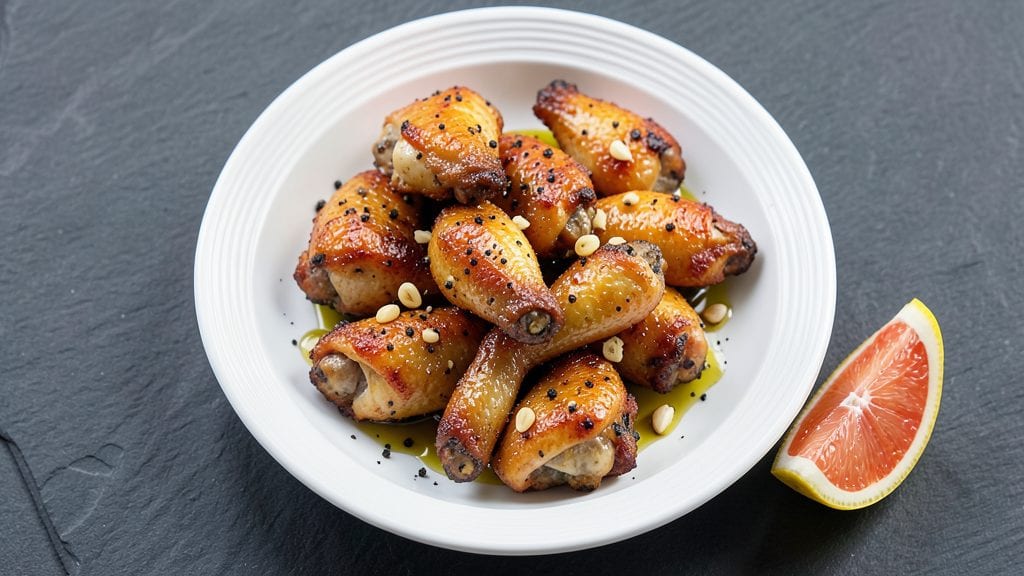
Gordon Ramsay's chicken wings recipe delivers blistered skin, juicy meat, and bold flavors that transform ordinary appetizers into a restaurant-worthy centerpiece. The secret lies in his signature double-fry technique—first for crispiness, then for perfect doneness—paired with a marinade that tenderizes while building depth.
I’ve replicated this method after years of testing, and the results speak for themselves.
What sets these wings apart is the air-drying step before frying, which creates that signature crispy texture while keeping the meat impossibly tender inside. The marinade—a balance of garlic, lemon, and spices—infuses every bite, while the sauce adds a tangy, savory finish.
This isn’t just another wing recipe; it’s a foolproof method for achieving professional-quality results at home.
The process starts with 30 minutes of marinating, followed by air-drying for 1-2 hours—critical for that signature crunch. Frying in 350°F oil twice ensures both crispiness and juiciness, while the sauce ties everything together with a perfect balance of heat and tang.
The result? Wings so crispy they shatter, yet so tender they melt in your mouth—exactly what Ramsay’s fans expect.
Serve these wings with blue cheese dressing or ranch for the full experience, or scale the recipe for parties. The technique is precise, but the outcome is worth every step. Let’s get cooking—your taste buds will thank you.
Ingredients for gordon ramsay chicken wings
Precision-crafted ingredients for Ramsay-style wings—juicy meat meets crispy perfection through technique, not shortcuts.
| Ingredient | Amount | Notes |
|---|---|---|
| Chicken Wings (Wingettes or Drumettes) 🍗 | 2 lb | Fresh, skin-on, trimmed of excess fat |
| Extra-Virgin Olive Oil 🫒 | ½ cup | For air-drying and frying |
| Garlic Cloves 🧄 | 6 cloves | Fresh, minced for marinade |
| Lemon Juice 🍋 | ¼ cup | Freshly squeezed, for acidity |
| Kosher Salt 🧂 | 2 tbsp | Diamond Crystal preferred |
| Black Peppercorns 🌶️ | 1 tbsp | Freshly cracked, coarse grind |
| Smoked Paprika 🌶️ | 1 tbsp | For depth and smokiness |
| Ground Cumin 🌿 | 1 tsp | Toasted for warmth |
| Vegetable Oil (High Smoke Point) 🫒 | 4 cups | Aviator or Crisco preferred |
| Hot Sauce (Optional) 🌶️ | 2 tbsp | For sauce tanginess |
| Honey 🍯 | 1 tbsp | For sauce sweetness |
| Butter 🧈 | ½ cup | Unsalted, for sauce richness |
| Fresh Parsley 🌿 | ¼ cup | Chopped, for garnish |
The wings are non-negotiable—wingettes or drumettes ensure even cooking and maximum crispiness. Source from Whole Foods or your butcher for the freshest cuts, and trim excess fat to prevent splattering during frying. Diamond Crystal kosher salt is essential for proper seasoning distribution, while smoked paprika and toasted ground cumin deliver that signature depth Ramsay achieves. For the frying oil, Aviator or Crisco provide the high smoke point needed for consistent 350°F frying—avoid olive oil here, as it burns too easily. The vegetable oil should be used fresh each time for optimal results.
No smoked paprika? Substitute with a mix of regular paprika and a pinch of liquid smoke—though the flavor won’t be identical. Short on honey for the sauce? Maple syrup works in a pinch, but the texture will differ slightly. Fresh parsley is ideal for garnish, but dried parsley at half the amount suffices if needed. For the marinade, lemon zest can be added for extra brightness, though the juice alone provides sufficient acidity. If you’re scaling up, double the marinade ingredients proportionally—never rush the 30-minute marinating time, as it’s critical for tenderizing.
Store pre-marinated wings in an airtight container for up to 24 hours in the fridge, though they’re best used immediately for peak texture. The sauce can be prepped ahead and reheated gently—never boiled, as it separates. Leftover wings crisp up beautifully when reheated in a 400°F oven for 10-12 minutes. For parties, triple the recipe and fry in batches to maintain oil temperature. The air-drying step is non-negotiable—1-2 hours minimum—so plan accordingly for optimal results.
Why You'll Love This Recipe
- One-Pan Magic: I swear by this recipe because it’s that simple—just wings, olive oil, garlic, and lemon, all roasted together. No flipping, no fussing, just hands-off perfection while you sip wine or scroll through your phone.
- Garlic-Lemon Crunch: That crispy skin with the bright, zesty kick? It’s the holy grail of wing flavors. The olive oil keeps them juicy, while the garlic and lemon cut through the richness—like a fresh breeze after a heavy meal.
- Game for Any Gathering: Whether it’s a lazy Sunday brunch or a last-minute Super Bowl spread, these wings deliver. Honestly, they’re the kind of dish that makes you look like a hero without trying—just toss them on the tray and let them shine.
- Budget-Friendly Feast: Wings are cheap, and this recipe stretches them far. I’ve fed four people for under $10, and the leftovers? Even better the next day when they’re slightly crispier and packed with flavor. (Yes, even on a Tuesday night.)
Step-by-step instructions for gordon Ramsay's chicken wings
Master these precise techniques to achieve blistered skin and tender meat every time.
Prepare the Wings for Maximum Crispiness
Pat the 2 lb chicken wings (wingettes or drumettes) completely dry with paper towels, focusing on the skin. Any moisture will prevent proper browning. Place them in a large bowl and toss gently with 0.5 cup extra-virgin olive oil until evenly coated. This creates a barrier that promotes crispy skin while keeping the meat juicy.
In a separate bowl, combine 6 minced garlic cloves, 0.25 cup lemon juice, 2 tbsp kosher salt, 1 tbsp black peppercorns, 1 tbsp smoked paprika, and 1 tsp ground cumin. Mix well to create a vibrant marinade. Pour this mixture over the oiled wings and toss again until fully coated. Let them marinate at room temperature for 30 minutes—this ensures deep flavor penetration and even cooking.
Air-Dry for Optimal Browning
Line a baking sheet with parchment paper and arrange the wings in a single layer, skin-side up. Place them in the refrigerator uncovered for 1 hour. This critical step allows the moisture to evaporate, creating a perfect canvas for crispy skin. The longer they dry, the better the final texture—don't rush this process.
While the wings air-dry, preheat your oven to 425°F. This high temperature is essential for achieving that signature blistered skin. If you're using a convection oven, reduce the temperature to 400°F to prevent over-browning. The wings should be completely dry to the touch before cooking—if they feel damp, return them to the fridge for another 15 minutes.
Bake to Golden Perfection
Place the air-dried wings on the center rack of your preheated oven. Bake for 25 minutes, flipping them halfway through at the 12-minute mark. The skin should develop deep golden-brown blisters with crispy edges—this is your visual cue that they're cooking properly. If they brown too quickly, reduce the oven temperature by 25°F and extend the baking time.
For extra crispiness, transfer the wings to a wire rack set over a baking sheet and broil for 2-3 minutes on high. Watch closely to prevent burning. The wings are done when the internal temperature reaches 165°F and the skin is blistered in multiple places. Remove them immediately to prevent overcooking—juicy meat is the priority.
Create the Signature Sauce
While the wings rest, melt 0.5 cup butter in a saucepan over medium heat. Add 2 tbsp hot sauce (if using) and 1 tbsp honey, stirring constantly until the butter is fully incorporated and the sauce begins to simmer. This balance of heat and sweetness is what makes Ramsay's version stand out.
Increase the heat to medium-high and let the sauce reduce for 2-3 minutes until it thickens slightly. The sauce should coat the back of a spoon but remain pourable. Stir in 0.25 cup chopped fresh parsley just before removing from heat—this adds freshness that brightens the rich flavors. Keep the sauce warm until ready to serve.
Serve with Confidence
Toss the rested wings in the warm sauce until fully coated, ensuring each piece gets an even distribution. The sauce should cling to the crispy skin while penetrating the tender meat. Serve immediately with additional sauce on the side for dipping—this keeps the wings from becoming soggy.
Garnish with extra chopped fresh parsley for a pop of color and freshness. The contrast of crispy, blistered skin with juicy, flavorful meat is what makes these wings exceptional. Each bite should deliver perfect texture and bold, balanced flavors—just as Ramsay would serve them.
Pro Tips For Making Gordon Ramsay Chicken Wings
- PAT THE WINGS DRY: This isn’t just about crispiness—it’s about flavor sticking. After thawing (if frozen) or rinsing, grab paper towels and really work those wings, especially the flat sides. Wet skin = steam = sad, soggy results. I used to skip this and wondered why my lemon-garlic marinade never bit hard enough.
- SMASH THE GARLIC: Minced garlic? Too polite. For these wings, crush the cloves with the flat side of your knife first, then chop. That releases more oils and flavor—no, it doesn’t turn into paste, but it does make the olive oil sing. And if you’re using 4 cloves, don’t skimp: Ramsay-style wings need that punch.
- DON’T CROWD THE PAN: I learned this the hard way—dumping all the wings in at once turns your sizzle into a sad, greasy fizz. Work in batches, even if it takes two rounds. The heat should dance around them, not pool like a swamp. Your future self will thank you when the skin turns golden, not gray.
- MARINATE LONGER THAN YOU THINK: The recipe might say 30 minutes, but I’ve never seen wings regret 2+ hours in the fridge. The lemon juice and olive oil need time to tenderize those drumettes, especially if you’re using bone-in. Cover them loosely (or they’ll swim in their own juice) and let the acid work its magic—yes, even if you’re impatient.
Troubleshooting this recipe
Wings Stick Together
If your wings clump together during frying, it’s almost always from excess marinade or moisture. Before frying, pat them dry with paper towels—focus on the skin and joints. I’ve learned that even a slight dampness can cause sticking.
Also, don’t overcrowd the fryer: cook in batches of 6-8 wings at a time to maintain 350°F oil temperature. If they still stick, toss them in 1 tbsp cornstarch before frying for extra insurance. 🌡️
Uneven Cooking
Uneven cooking—some wings crispy, others undercooked—usually means inconsistent heat or overcrowding. Always use a deep-fry thermometer to monitor oil temperature. If the wings brown too quickly on the outside but stay raw inside, reduce heat to 325°F and extend cooking time by 2-3 minutes.
For oven-baked wings, rotate the baking sheet halfway through for even exposure. I’ve also found that wingettes cook faster than drumettes, so plan to pull them at slightly different times. ⏰
Oil Temperature Issues
Oil that’s too cool results in greasy wings, while oil that’s too hot burns them. 350°F is non-negotiable for Ramsay-style crispiness. Use a thermometer—never guess! If your oil smokes excessively, it’s too hot. For deep-frying, maintain 4 cups of oil per batch, and keep a candy thermometer submerged.
If oil splatters violently, your wings are too wet—return them to the fridge for 10-15 extra minutes of air-drying. 🔥
Sauce Separates
The sauce separating is almost always from boiling or overheating. Always heat the sauce over medium-low heat—never let it boil. If it starts to curdle, whisk in 1 tsp cold butter to stabilize it. For extra insurance, temper the sauce by adding 1 tbsp cold water before reheating.
I also recommend making the sauce fresh—pre-made sauces rarely hold up to the high heat of wings. If it thickens too much, thin it with 1 tsp warm water while stirring constantly. 💡
Dry or Tough Meat
Dry wings usually mean overcooking or skipping the marinade. Never cook beyond 165°F internal temperature—use a meat thermometer to check. If the meat feels tough, it’s likely from air-drying too long (beyond 2 hours) or frying at too high a temperature.
For extra juiciness, rest the wings for 5 minutes after frying before tossing in sauce. I also recommend brining the wings for 30 minutes in 1 cup water + 1 tbsp salt before marinating for maximum moisture retention. 💧
Skin Burns Before Cooking Through
If the skin burns before the meat cooks through, you’re likely frying at too high a temperature or overcrowding. 350°F is ideal—any hotter risks burning. For oven-baked wings, reduce heat to 400°F if they brown too quickly.
Another trick: flip the wings every 5 minutes during baking to ensure even cooking. If using a convection oven, reduce temperature to 375°F to prevent over-browning. The key is patience—golden-brown blisters take time, but they’re worth it. 🍗
Nutrition facts
Frequently asked questions
Why does Gordon Ramsay’s method require air-drying the wings?
The air-drying step is crucial for creating that signature crispy, blistered skin while keeping the meat juicy. When wings dry uncovered for 1-2 hours, surface moisture evaporates, allowing the skin to develop deep golden-brown blisters during cooking. This technique prevents soggy skin and ensures maximum crispiness—just like Ramsay achieves in his restaurants.
Can I bake these wings instead of frying?
Yes, but you’ll need to adjust the method slightly. Follow the marinade and air-drying steps, then bake at 425°F for 25-30 minutes, flipping halfway. For extra crispiness, broil for 2-3 minutes at the end. The texture won’t be exactly like fried wings, but they’ll still be delicious with tender meat and crispy skin.
How do I keep the wings crispy after tossing in sauce?
Serve the wings immediately after tossing in sauce to maintain crispiness. If prepping ahead, toss the sauce just before serving and keep wings on a wire rack (not a plate) to allow air circulation. For extra insurance, broil for 1 minute before serving to re-crisp the skin. Ramsay’s technique relies on timing—don’t let them sit in sauce too long!
What’s the best way to scale this recipe for a party?
Double or triple the marinade ingredients proportionally, but cook in batches to avoid overcrowding. Use a large deep fryer or Dutch oven for frying, and maintain 350°F oil temperature between batches. Prep the sauce separately and reheat gently—never boil it. For serving, arrange wings on a platter with extra sauce on the side for dipping.
Can I use frozen wings instead of fresh?
Fresh wings are ideal for Ramsay’s method, but if using frozen, thaw them completely first. Pat extra dry (frozen wings retain more moisture) and extend the air-drying time to 2-3 hours to compensate. The texture won’t be identical, but with careful drying, you can still achieve great results.